Conçu pour l'IA nouvelle génération
Les Tensor Processing Units (TPU) sont des accélérateurs personnalisés conçus en collaboration avec des logiciels ouverts pour alimenter l'ensemble du cycle de vie de l'IA, de l'entraînement de pointe et de l'inférence à grande échelle aux exigences de données de raisonnement en plusieurs étapes de l'IA agentique.
Optimisé par AI Hypercomputer
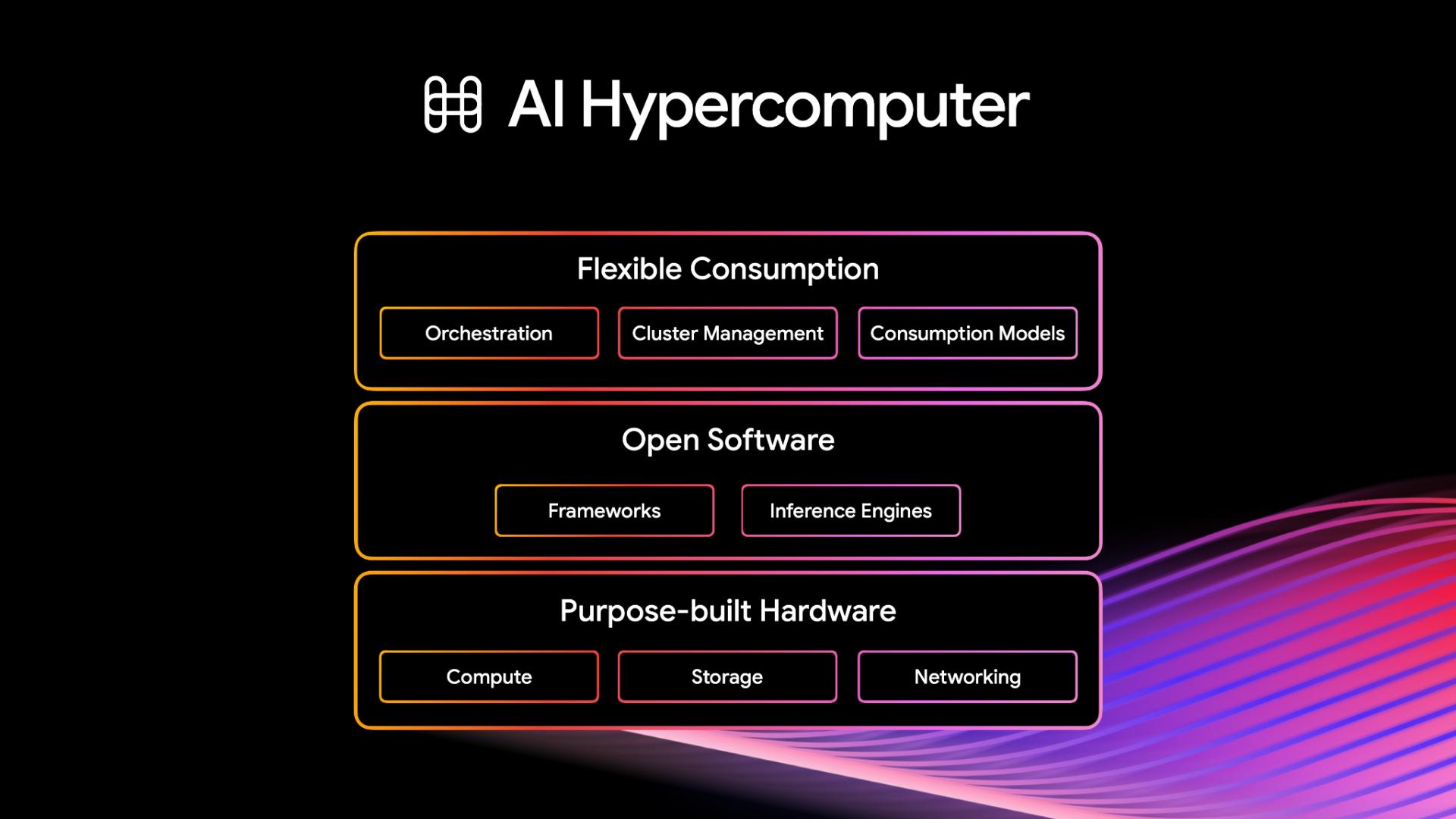
Les TPU sont alimentés par AI Hypercomputer de Google Cloud, une architecture révolutionnaire qui combine du matériel conçu sur mesure, des logiciels ouverts et des modèles de consommation flexibles.
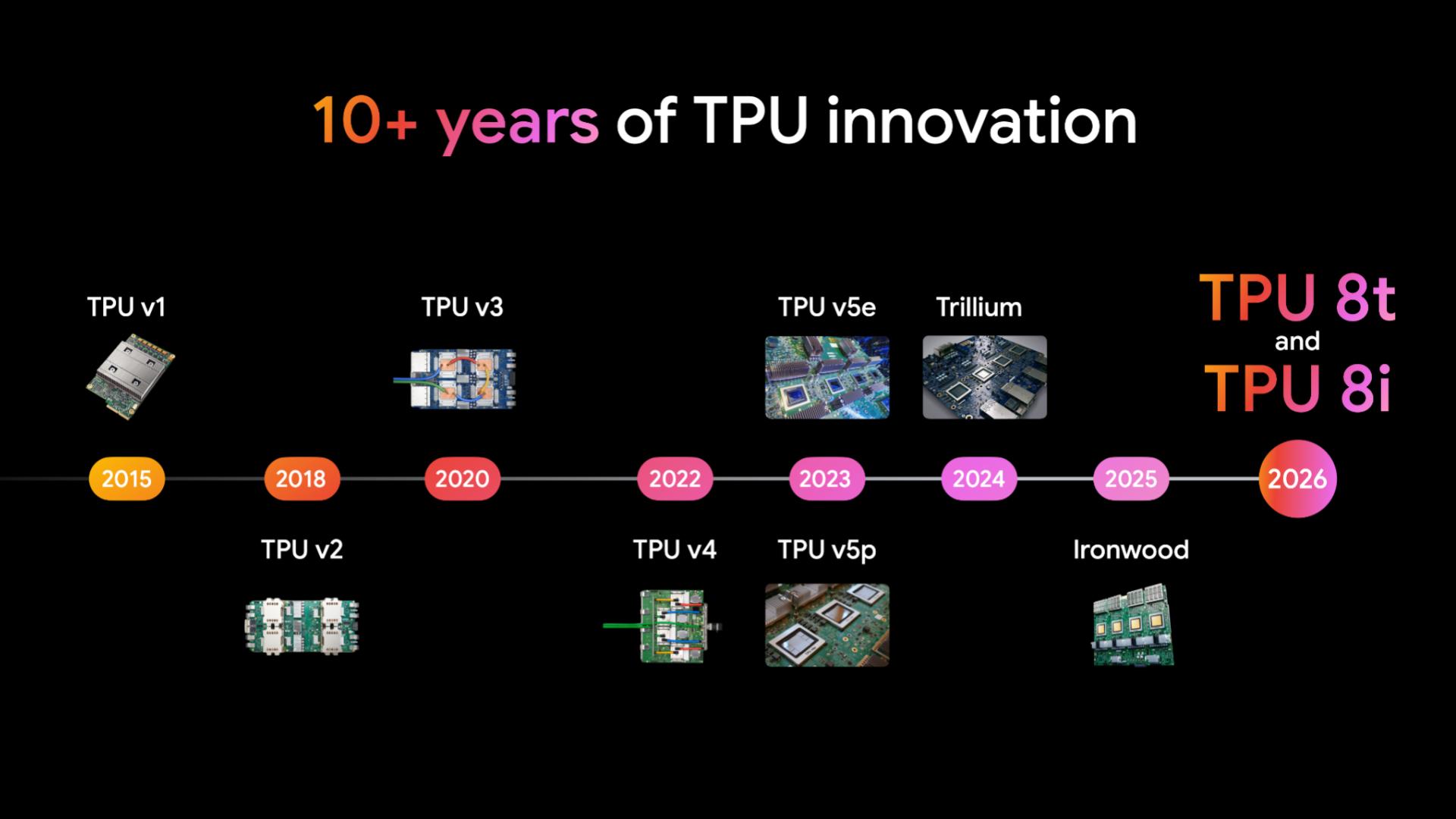
Une décennie de Tensor Processing Units (TPU)
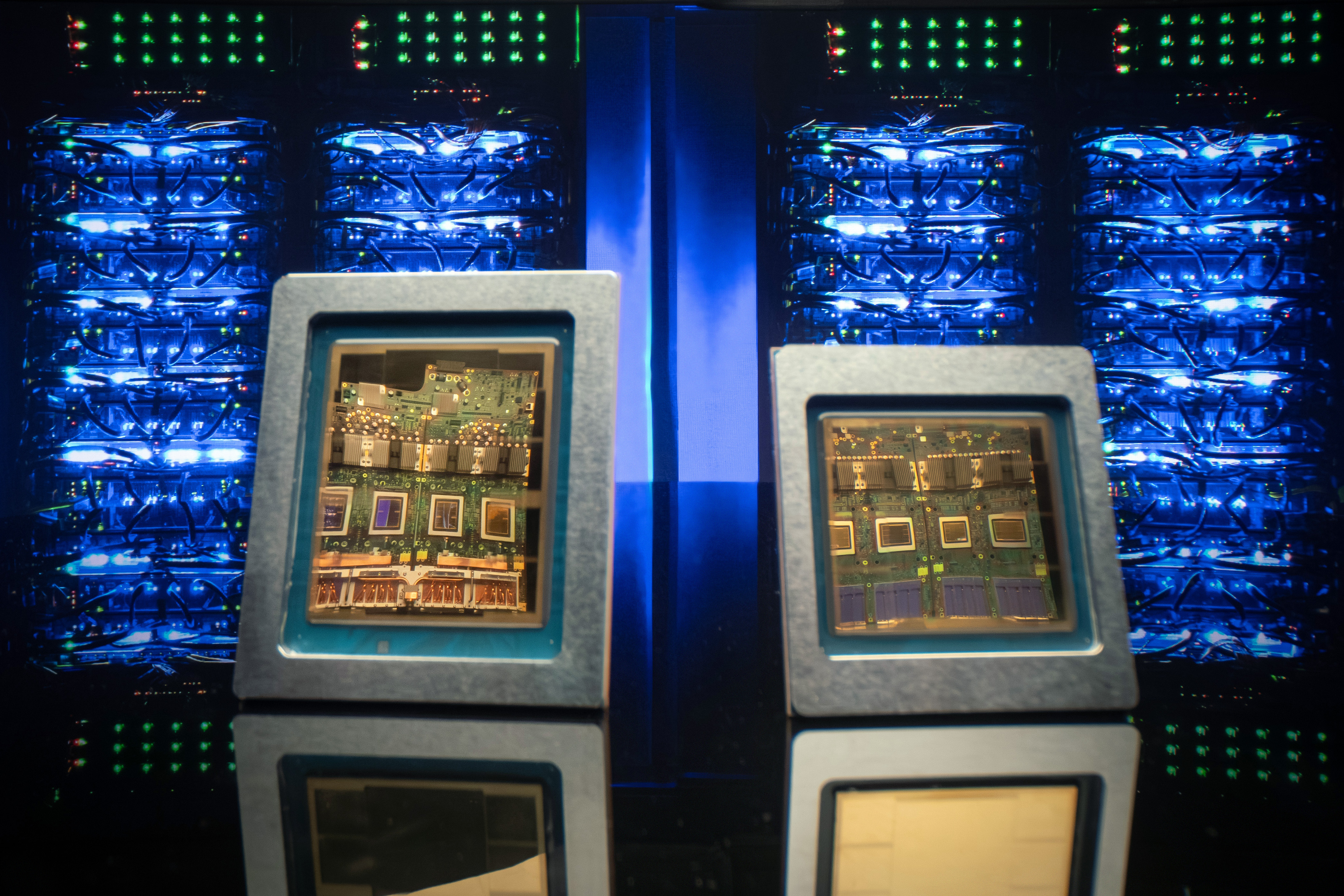
Les TPU sont spécialement conçus pour les charges de travail d'IA avancées, des grands modèles de langage à la génération de code en passant par les agents intelligents. Ils sont le moteur de Gemini et des produits phares de Google, comme la recherche, Photos et Maps, qui comptent plus d'un milliard d'utilisateurs.
Conçu pour l'IA nouvelle génération
Les Tensor Processing Units (TPU) sont des accélérateurs personnalisés conçus en collaboration avec des logiciels ouverts pour alimenter l'ensemble du cycle de vie de l'IA, de l'entraînement de pointe et de l'inférence à grande échelle aux exigences de données de raisonnement en plusieurs étapes de l'IA agentique.
Optimisé par AI Hypercomputer
Les TPU sont alimentés par AI Hypercomputer de Google Cloud, une architecture révolutionnaire qui combine du matériel conçu sur mesure, des logiciels ouverts et des modèles de consommation flexibles.
Une décennie de Tensor Processing Units (TPU)
Les TPU sont spécialement conçus pour les charges de travail d'IA avancées, des grands modèles de langage à la génération de code en passant par les agents intelligents. Ils sont le moteur de Gemini et des produits phares de Google, comme la recherche, Photos et Maps, qui comptent plus d'un milliard d'utilisateurs.
Avantages
Opérations ouvertes, flexibles et fiables
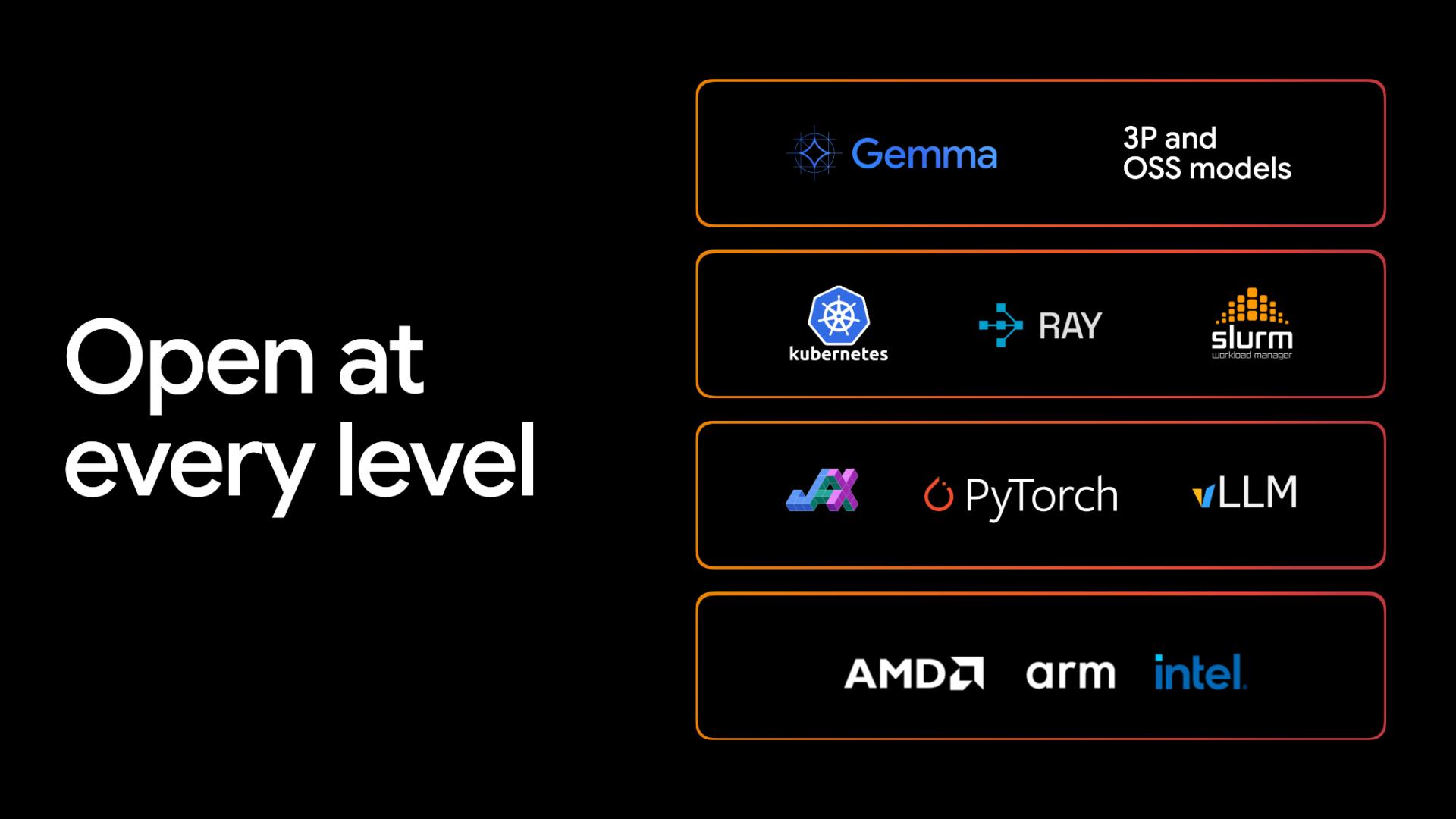
Créez des applications sur un écosystème ouvert à l'aide de bibliothèques et d'outils que vous connaissez déjà. Les TPU offrent une prise en charge native et hautes performances de PyTorch et JAX, et sont compatibles avec le moteur vLLM pour une inférence rapide. Gérez et faites évoluer ces déploiements de manière fiable sur des clusters mondiaux avec Google Kubernetes Engine (GKE).
Des performances sans compromis
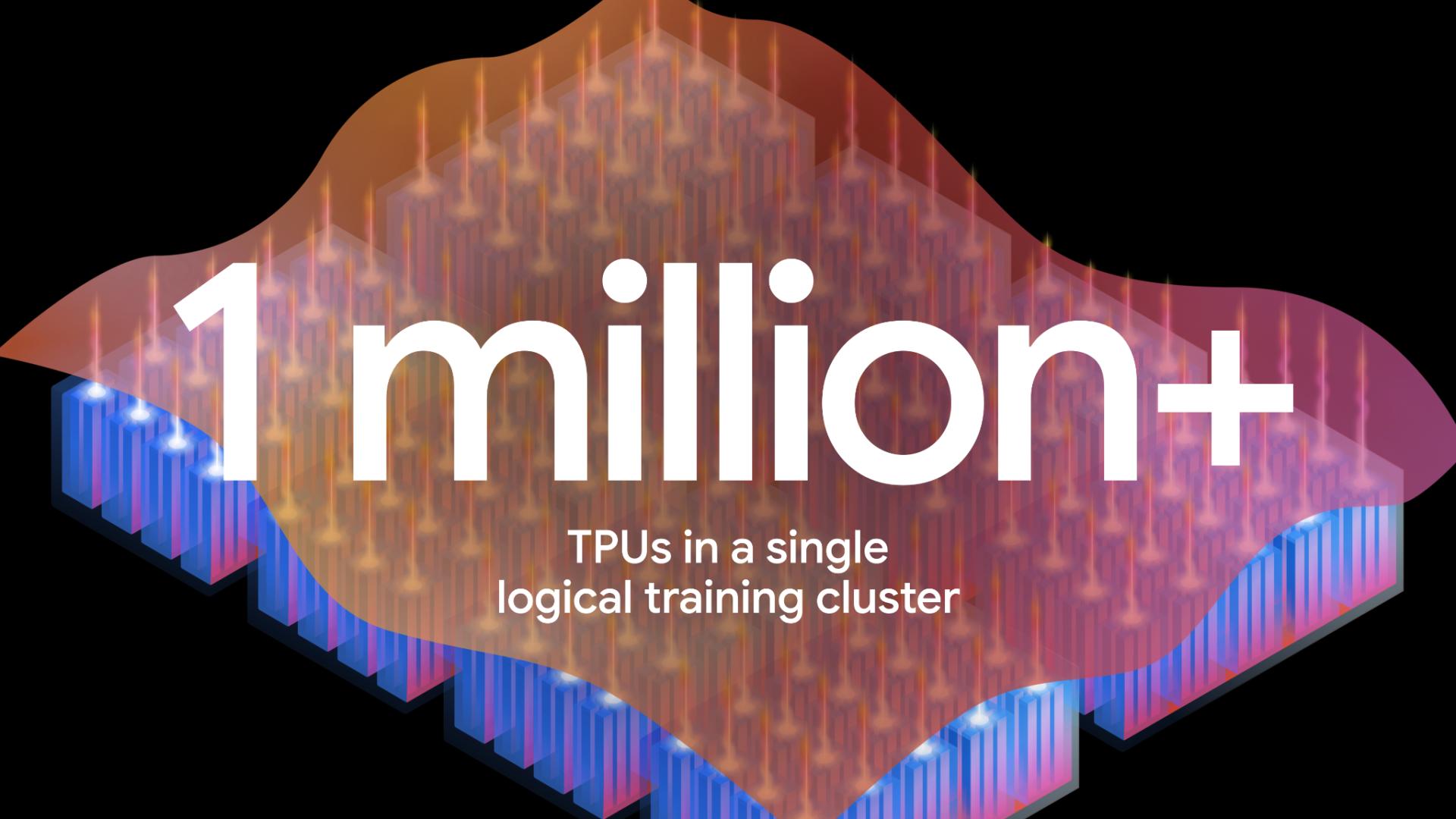
Réduisez la durée d'entraînement des modèles de frontière de plusieurs mois à quelques semaines. Avec jusqu'à 1 million de puces TPU dans un seul cluster, les TPU maximisent le débit utile, en veillant à ce que presque chaque cycle de calcul soit consacré à l'apprentissage actif.
Avantages
Opérations ouvertes, flexibles et fiables
Créez des applications sur un écosystème ouvert à l'aide de bibliothèques et d'outils que vous connaissez déjà. Les TPU offrent une prise en charge native et hautes performances de PyTorch et JAX, et sont compatibles avec le moteur vLLM pour une inférence rapide. Gérez et faites évoluer ces déploiements de manière fiable sur des clusters mondiaux avec Google Kubernetes Engine (GKE).
Des performances sans compromis
Réduisez la durée d'entraînement des modèles de frontière de plusieurs mois à quelques semaines. Avec jusqu'à 1 million de puces TPU dans un seul cluster, les TPU maximisent le débit utile, en veillant à ce que presque chaque cycle de calcul soit consacré à l'apprentissage actif.
TPU 8t
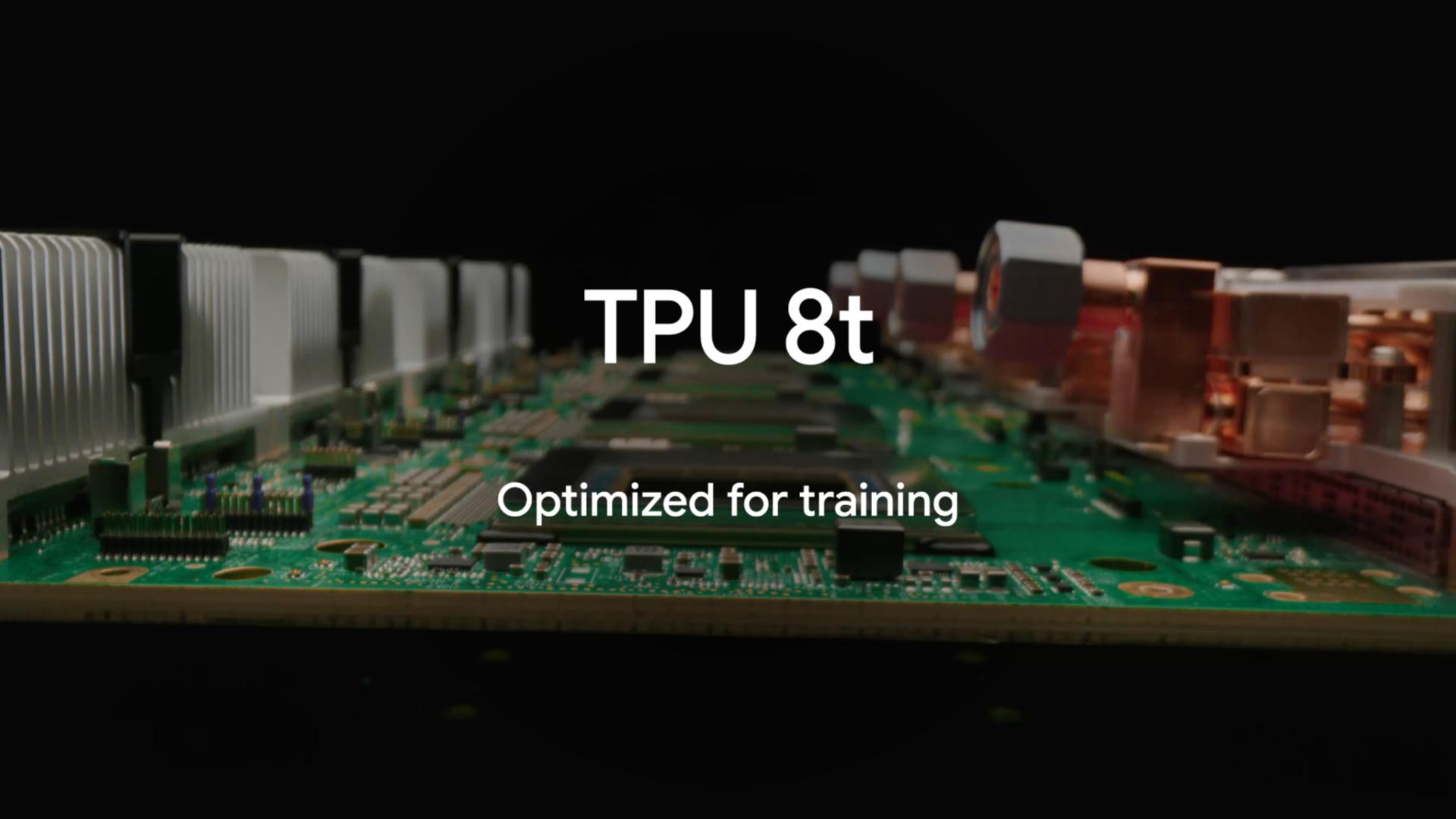
Le TPU 8t est conçu pour le pré-entraînement à grande échelle et les charges de travail intensives en embeddings, avec une capacité allant jusqu'à 9 600 puces dans un seul superpod. Il offre la densité de calcul élevée requise pour les modèles de pointe, avec des performances de calcul par pod presque trois fois supérieures à celles de la génération précédente.
Bientôt disponible.
TPU 8i
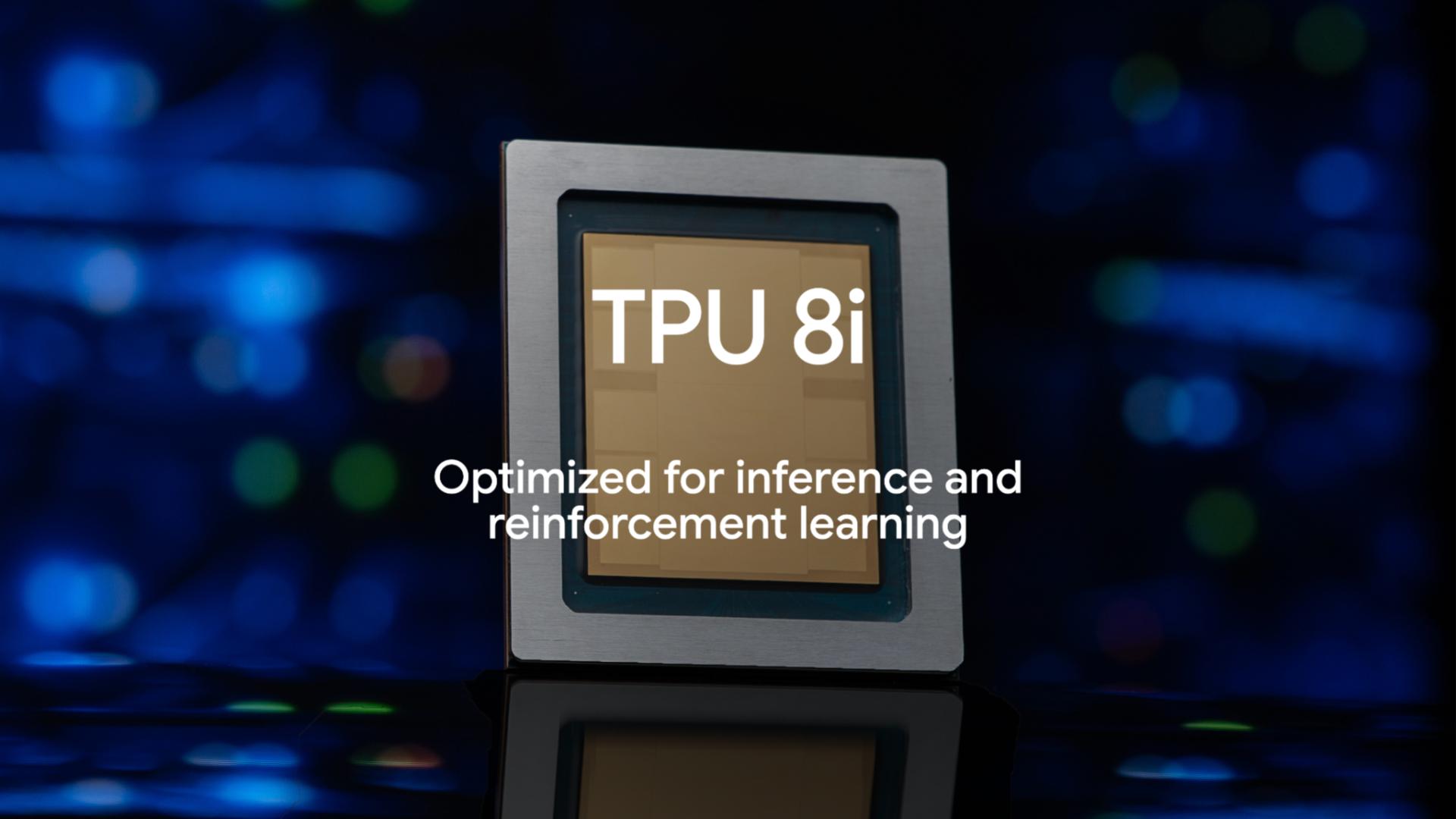
Le TPU 8i est optimisé pour le post-entraînement et l'inférence, tout en offrant une amélioration de 80 % des performances par dollar par rapport aux générations précédentes pour l'inférence à faible latence des grands modèles MoE.
Bientôt disponible.
Ironwood – 7e génération
Le TPU de 7e génération économe en énergie, conçu pour l'entraînement, le raisonnement et l'inférence à grande échelle. Chaque pod comporte 9 216 puces à refroidissement liquide, fournit 42,5 exaflops et offre des performances par puce quatre fois supérieures à celles de Trillium.
Disponible pour tous les utilisateurs
Trillium – 6e génération
Le TPU de sixième génération offrant une meilleure efficacité énergétique et des performances de calcul optimales pour l'entraînement et l'inférence. Il offre une efficacité énergétique 67 % supérieure et des performances de calcul optimales par puce 4,7 fois plus élevées par rapport à la génération précédente, TPU v5e.
Disponible pour tous les utilisateurs
TPU 8t
Le TPU 8t est conçu pour le pré-entraînement à grande échelle et les charges de travail intensives en embeddings, avec une capacité allant jusqu'à 9 600 puces dans un seul superpod. Il offre la densité de calcul élevée requise pour les modèles de pointe, avec des performances de calcul par pod presque trois fois supérieures à celles de la génération précédente.
Bientôt disponible.
TPU 8i
Le TPU 8i est optimisé pour le post-entraînement et l'inférence, tout en offrant une amélioration de 80 % des performances par dollar par rapport aux générations précédentes pour l'inférence à faible latence des grands modèles MoE.
Bientôt disponible.
Ironwood – 7e génération
Le TPU de 7e génération économe en énergie, conçu pour l'entraînement, le raisonnement et l'inférence à grande échelle. Chaque pod comporte 9 216 puces à refroidissement liquide, fournit 42,5 exaflops et offre des performances par puce quatre fois supérieures à celles de Trillium.
Disponible pour tous les utilisateurs
Trillium – 6e génération
Le TPU de sixième génération offrant une meilleure efficacité énergétique et des performances de calcul optimales pour l'entraînement et l'inférence. Il offre une efficacité énergétique 67 % supérieure et des performances de calcul optimales par puce 4,7 fois plus élevées par rapport à la génération précédente, TPU v5e.
Disponible pour tous les utilisateurs
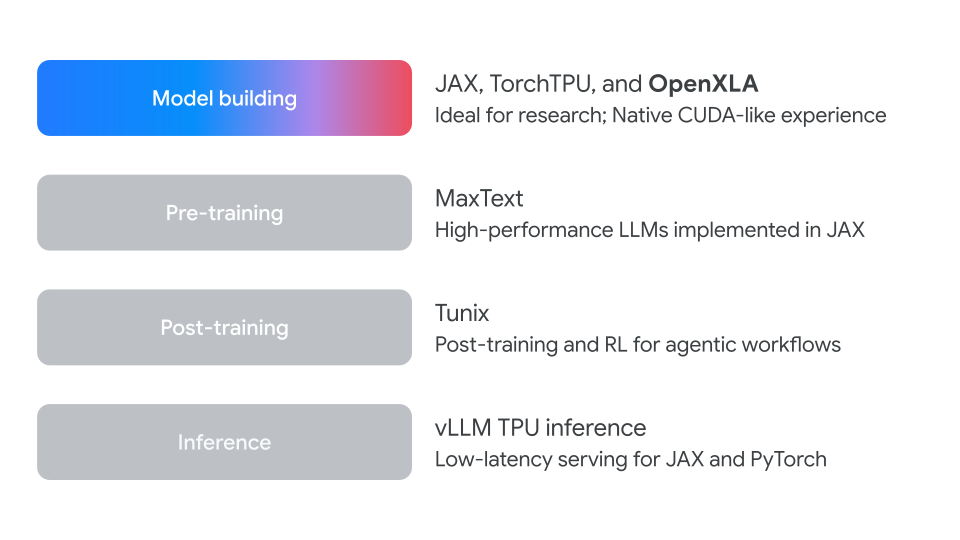
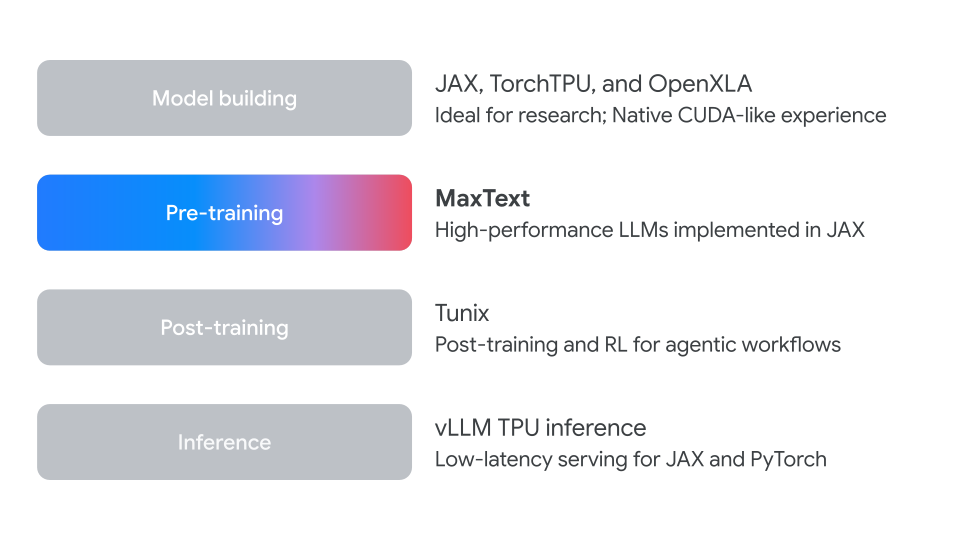
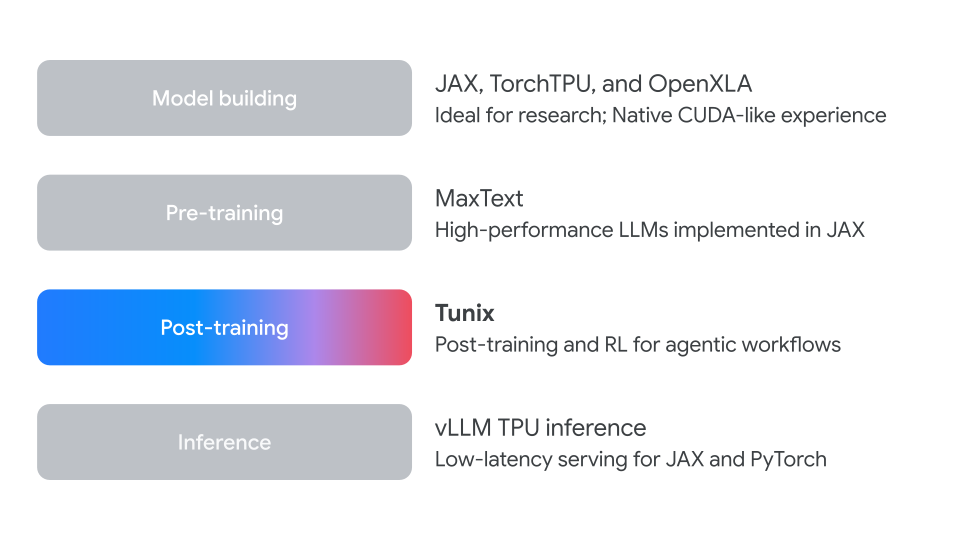
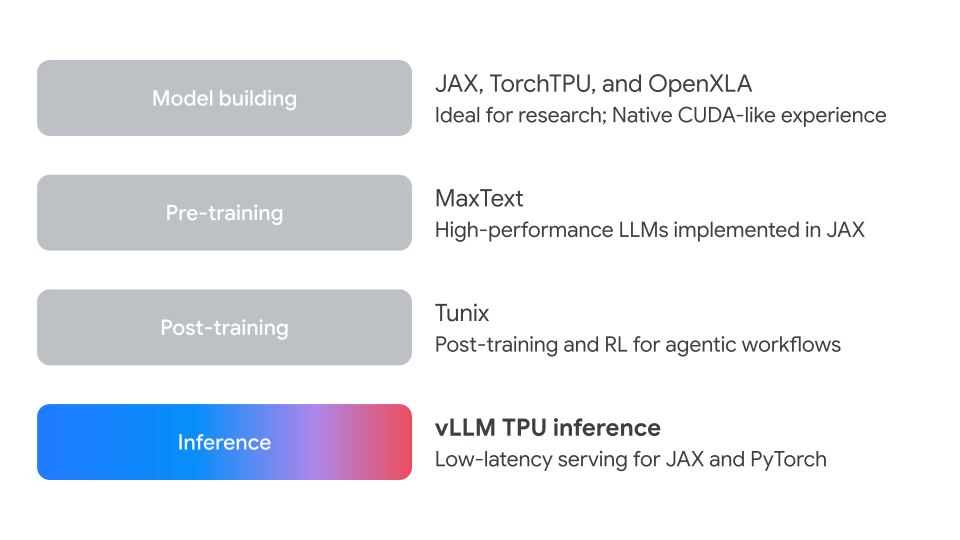
Pile logicielle TPU
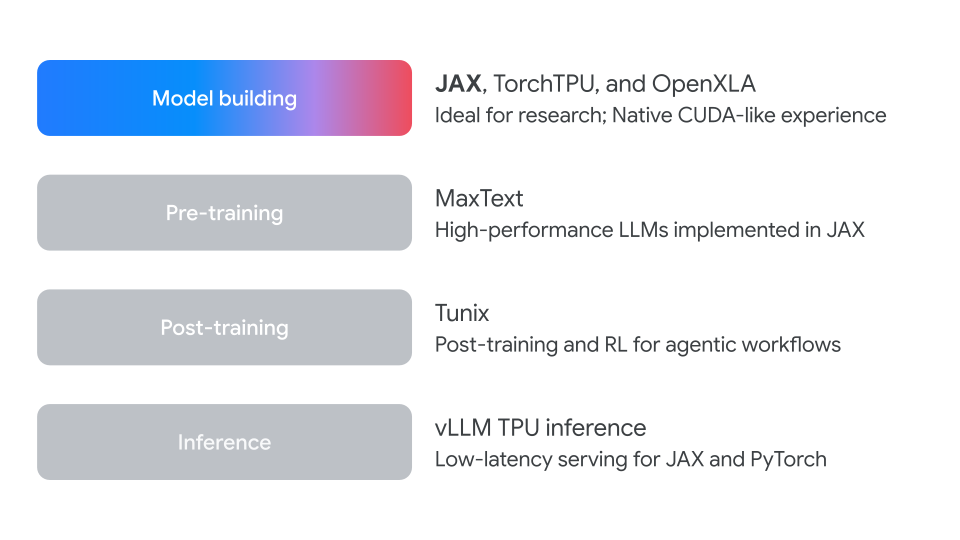
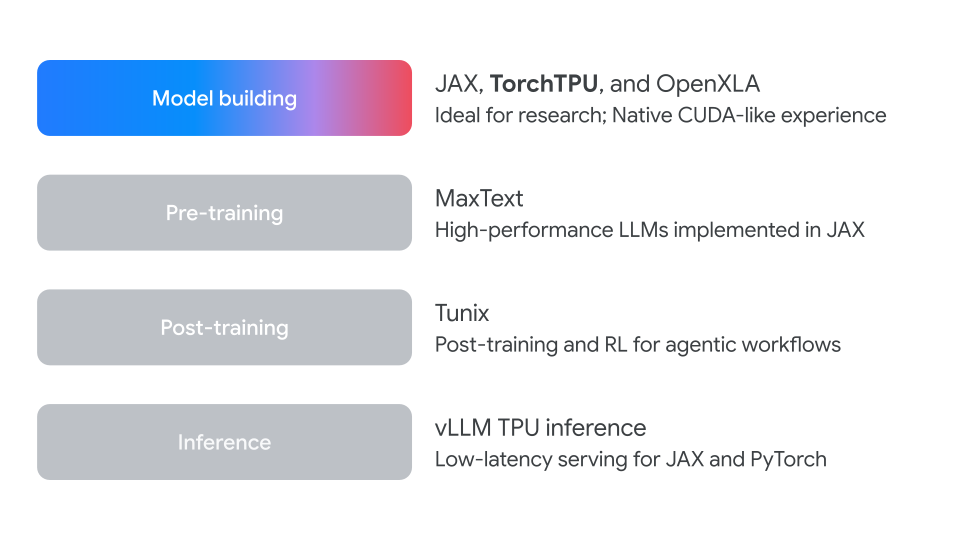
La pile logicielle TPU est conçue pour faire le lien entre le code de machine learning de haut niveau et le silicium personnalisé afin d'optimiser l'efficacité brute du matériel.
JAX
Compilez des opérations mathématiques complexes à une vitesse proche de celle du matériel natif sur les TPU. Cette bibliothèque Open Source pour le calcul numérique et la différenciation automatique s'adapte facilement aux clusters TPU distribués massifs à l'aide d'un maillage d'appareils explicite.
TorchTPU et PyTorch
Exécutez des charges de travail PyTorch directement sur des TPU à l'aide de la syntaxe standard. Conçue avec Meta, cette pile "eager-first" native permet de migrer les codebases existantes avec un minimum de modifications pour profiter d'avantages considérables en termes de coût et de performances, sans que les équipes d'ingénierie aient à apprendre un nouveau framework.
OpenXLA
Réduire les goulots d'étranglement de la compilation pour exploiter les performances élevées du matériel TPU Ce compilateur de machine learning Open Source fusionne automatiquement les opérations, optimise l'utilisation de la mémoire et élimine les frais généraux du framework pour les calculs d'algèbre linéaire sur les backends TPU.
MaxText
Réduisez les délais d'entraînement des modèles de fondation volumineux. Cette implémentation de référence basée sur JAX fournit un plan prêt à l'emploi hautement évolutif pour atteindre une utilisation maximale du matériel lors du pré-entraînement de LLM sur des TPU.
Tunix
Simplifiez l'entraînement et l'alignement des LLM sur l'infrastructure TPU. Cette bibliothèque JAX Open Source légère fournit des workflows évolutifs pour l'affinage supervisé (Supervised Fine-Tuning, SFT) et l'apprentissage par renforcement (Reinforcement Learning, RL) afin de transformer efficacement des modèles bruts en agents prêts pour la production.
vLLM
Maximisez la simultanéité de diffusion et réduisez les coûts opérationnels pour l'inférence TPU en temps réel. Ce moteur Open Source à haut débit exploite des techniques de gestion de la mémoire telles que PagedAttention pour éliminer le gaspillage et fournir un service LLM très efficace sur l'architecture TPU.
Pile logicielle TPU
La pile logicielle TPU est conçue pour faire le lien entre le code de machine learning de haut niveau et le silicium personnalisé afin d'optimiser l'efficacité brute du matériel.
JAX
Compilez des opérations mathématiques complexes à une vitesse proche de celle du matériel natif sur les TPU. Cette bibliothèque Open Source pour le calcul numérique et la différenciation automatique s'adapte facilement aux clusters TPU distribués massifs à l'aide d'un maillage d'appareils explicite.
TorchTPU et PyTorch
Exécutez des charges de travail PyTorch directement sur des TPU à l'aide de la syntaxe standard. Conçue avec Meta, cette pile "eager-first" native permet de migrer les codebases existantes avec un minimum de modifications pour profiter d'avantages considérables en termes de coût et de performances, sans que les équipes d'ingénierie aient à apprendre un nouveau framework.
OpenXLA
Réduire les goulots d'étranglement de la compilation pour exploiter les performances élevées du matériel TPU Ce compilateur de machine learning Open Source fusionne automatiquement les opérations, optimise l'utilisation de la mémoire et élimine les frais généraux du framework pour les calculs d'algèbre linéaire sur les backends TPU.
MaxText
Réduisez les délais d'entraînement des modèles de fondation volumineux. Cette implémentation de référence basée sur JAX fournit un plan prêt à l'emploi hautement évolutif pour atteindre une utilisation maximale du matériel lors du pré-entraînement de LLM sur des TPU.
Tunix
Simplifiez l'entraînement et l'alignement des LLM sur l'infrastructure TPU. Cette bibliothèque JAX Open Source légère fournit des workflows évolutifs pour l'affinage supervisé (Supervised Fine-Tuning, SFT) et l'apprentissage par renforcement (Reinforcement Learning, RL) afin de transformer efficacement des modèles bruts en agents prêts pour la production.
vLLM
Maximisez la simultanéité de diffusion et réduisez les coûts opérationnels pour l'inférence TPU en temps réel. Ce moteur Open Source à haut débit exploite des techniques de gestion de la mémoire telles que PagedAttention pour éliminer le gaspillage et fournir un service LLM très efficace sur l'architecture TPU.
Les TPU au service des innovateurs



Autres ressources
- Exécutez des charges de travail de pré-entraînement de l'IA à grande échelleRéduisez les délais de pré-entraînement pour les modèles de fondation massifs. Le TPU 8t fournit une puissance de calcul hautes performances dans un seul pod et évolue à l'aide du réseau Virgo. Associée à un accès rapide au stockage et à l'isolation NUMA alimentée par Axion, l'architecture atteint un débit utile élevé, garantissant que les cycles de calcul sont consacrés à la création active de modèles plutôt qu'à l'inactivité pendant le transfert de données ou les réinitialisations matérielles.Guide dédié à l'entraînement avec des TPU Ironwood pour les développeurs
- Post-entraînement et apprentissage par renforcement efficacesTransformez des modèles de base en agents intelligents grâce à des workflows intensifs de post-entraînement. La 8e génération de système TPU traite rapidement les essais d'apprentissage par renforcement continu, en récompensant les meilleurs chemins de raisonnement sans les retards de cycle courants qu'on retrouvait dans les générations précédentes. Cela vous permet d'affiner efficacement les modèles du monde, en donnant aux agents la possibilité d'améliorer leur raisonnement dans des environnements simulés avant une exécution dans le monde réel.Post-entraînement MaxText
- Charges de travail d'inférence d'IA à faible latence à grande échelleBriser le mur de la mémoire d'inférence Le TPU 8i étend la SRAM sur puce et la mémoire à haut débit, en hébergeant des caches KV de grande capacité entièrement sur silicium. En utilisant le moteur d'accélération SparseCore-Collectives (SC-CAE) pour décharger les tâches de communication globales, cette architecture réduit considérablement la latence sur puce, libérant ainsi les principaux cœurs de calcul pour une génération de jetons pure et à faible latence.Accélérer l'inférence de l'IA avec Google Cloud
- Réseau Virgo, la structure de centre de données d'IA à évolutivité horizontale de GoogleLe réseau Virgo est une structure évolutive conçue pour répondre aux exigences extrêmes des charges de travail d'IA modernes. Basé sur des commutateurs à radix élevé qui réduisent le nombre de couches réseau en autorisant davantage de ports par commutateur, il utilise une topologie plate à deux couches non bloquante.Lire l'article d'annonce
- Fiabilité au niveau du cluster pour les modèles à billions de paramètres sur les TPUDepuis plus de dix ans, Google exploite des clusters de TPU (Tensor Processing Unit) à grande échelle, ce qui lui permet d'atteindre un niveau de fiabilité qui répond aux exigences architecturales des charges de travail d'IA modernes. Dans cet article de blog, nous présentons notre framework de fiabilité au niveau du cluster pour les TPU Google Cloud. Il se concentre sur les performances collectives au niveau du superpod et est utilisé en interne chez Google pour créer les modèles d'IA les plus avancés au monde.Lire l'article
- Concevoir une IA durable avec des TPUPrésentation détaillée de l'efficacité des TPU et des émissions liées à leur cycle de vie. Les améliorations significatives que nous avons apportées à l'efficacité carbone de notre matériel complètent les avancées rapides dans la conception des modèles et des algorithmes d'IA.Lire l'article
- Présentation de Cloud TPUConsultez la documentation Cloud TPU pour découvrir les Tensor Processing Units (TPU).Consulter la documentation
- Architecture des TPULa documentation suivante décrit les principaux composants de l'architecture cloud des TPU.Consulter la documentation
- Recipes TPURecipes TPU : instructions pour reproduire une charge de travail spécifique sur les TPU Google Cloud.Consulter le guide
Cas d'utilisation techniques
- Exécutez des charges de travail de pré-entraînement de l'IA à grande échelleRéduisez les délais de pré-entraînement pour les modèles de fondation massifs. Le TPU 8t fournit une puissance de calcul hautes performances dans un seul pod et évolue à l'aide du réseau Virgo. Associée à un accès rapide au stockage et à l'isolation NUMA alimentée par Axion, l'architecture atteint un débit utile élevé, garantissant que les cycles de calcul sont consacrés à la création active de modèles plutôt qu'à l'inactivité pendant le transfert de données ou les réinitialisations matérielles.Guide dédié à l'entraînement avec des TPU Ironwood pour les développeurs
- Post-entraînement et apprentissage par renforcement efficacesTransformez des modèles de base en agents intelligents grâce à des workflows intensifs de post-entraînement. La 8e génération de système TPU traite rapidement les essais d'apprentissage par renforcement continu, en récompensant les meilleurs chemins de raisonnement sans les retards de cycle courants qu'on retrouvait dans les générations précédentes. Cela vous permet d'affiner efficacement les modèles du monde, en donnant aux agents la possibilité d'améliorer leur raisonnement dans des environnements simulés avant une exécution dans le monde réel.Post-entraînement MaxText
- Charges de travail d'inférence d'IA à faible latence à grande échelleBriser le mur de la mémoire d'inférence Le TPU 8i étend la SRAM sur puce et la mémoire à haut débit, en hébergeant des caches KV de grande capacité entièrement sur silicium. En utilisant le moteur d'accélération SparseCore-Collectives (SC-CAE) pour décharger les tâches de communication globales, cette architecture réduit considérablement la latence sur puce, libérant ainsi les principaux cœurs de calcul pour une génération de jetons pure et à faible latence.Accélérer l'inférence de l'IA avec Google Cloud
Articles
- Réseau Virgo, la structure de centre de données d'IA à évolutivité horizontale de GoogleLe réseau Virgo est une structure évolutive conçue pour répondre aux exigences extrêmes des charges de travail d'IA modernes. Basé sur des commutateurs à radix élevé qui réduisent le nombre de couches réseau en autorisant davantage de ports par commutateur, il utilise une topologie plate à deux couches non bloquante.Lire l'article d'annonce
- Fiabilité au niveau du cluster pour les modèles à billions de paramètres sur les TPUDepuis plus de dix ans, Google exploite des clusters de TPU (Tensor Processing Unit) à grande échelle, ce qui lui permet d'atteindre un niveau de fiabilité qui répond aux exigences architecturales des charges de travail d'IA modernes. Dans cet article de blog, nous présentons notre framework de fiabilité au niveau du cluster pour les TPU Google Cloud. Il se concentre sur les performances collectives au niveau du superpod et est utilisé en interne chez Google pour créer les modèles d'IA les plus avancés au monde.Lire l'article
- Concevoir une IA durable avec des TPUPrésentation détaillée de l'efficacité des TPU et des émissions liées à leur cycle de vie. Les améliorations significatives que nous avons apportées à l'efficacité carbone de notre matériel complètent les avancées rapides dans la conception des modèles et des algorithmes d'IA.Lire l'article
Documentation
- Présentation de Cloud TPUConsultez la documentation Cloud TPU pour découvrir les Tensor Processing Units (TPU).Consulter la documentation
- Architecture des TPULa documentation suivante décrit les principaux composants de l'architecture cloud des TPU.Consulter la documentation
- Recipes TPURecipes TPU : instructions pour reproduire une charge de travail spécifique sur les TPU Google Cloud.Consulter le guide

Questions fréquentes
Qu'est-ce qu'un TPU (Tensor Processing Unit) ?
Les TPU sont des circuits intégrés propres à une application et conçus sur mesure (ASIC) développés par Google. Ils sont conçus dès le départ pour accélérer les charges de travail de machine learning et d'intelligence artificielle. Les TPU sont optimisés spécifiquement pour les opérations de multiplication matricielle et de tenseurs intensives qui constituent les blocs de base des réseaux de neurones, et qui alimentent tout, des grands modèles de langage aux agents de raisonnement complexes.
Comment fonctionne l'architecture TPU ?
Au cœur d'un TPU se trouve une unité de multiplication matricielle (MXU) spécialisée qui traite simultanément d'énormes quantités d'opérations matricielles. Les TPU utilisent une architecture de type "réseau systolique" qui lit les données une seule fois et les fait circuler en continu dans des milliers d'unités logiques et arithmétiques (ULA), accumulant les résultats sans avoir besoin de lire et d'écrire constamment dans la mémoire. Ils prennent également en charge l'arithmétique à précision réduite (comme les nombres à virgule flottante 16 bits ou 8 bits), ce qui permet d'effectuer des millions de calculs par seconde sans sacrifier la précision requise pour les modèles d'IA.
Quels frameworks de machine learning sont compatibles avec les Cloud TPU ?
Les Cloud TPU offrent une compatibilité native et hautes performances avec les principaux frameworks de machine learning, principalement TensorFlow, PyTorch et JAX. Le code écrit dans ces frameworks est compilé par le compilateur Accelerated Linear Algebra (XLA), qui optimise automatiquement le graphe de calcul pour qu'il s'exécute efficacement sur le matériel TPU sous-jacent.
Quels types de charges de travail sont les plus adaptés aux TPU ?
Les TPU excellent dans les tâches de deep learning qui nécessitent des opérations matricielles parallèles massives. Ils sont vivement recommandés pour :
- Modèles dominés par les calculs matriciels
- Exécutions d'entraînement qui mettent des semaines ou des mois à converger
- Grands modèles de fondation et grands modèles de langage (LLM)
- Charges de travail avec des embeddings très volumineux, comme les moteurs de recommandation avancés
- Apprentissage par renforcement continu et inférence sur un volume élevé et à faible latence
Que sont les pods et les tranches TPU ?
Un pod TPU est un cluster physique massif de puces TPU connectées entre elles via un réseau spécialisé à haut débit (comme le réseau Optical Circuit Switching ou Virgo de Google). Un seul superpod peut contenir des milliers de puces interconnectées. Une "tranche" est un sous-ensemble plus petit et dédié d'un pod que vous pouvez louer. Cette architecture de mise en réseau permet aux développeurs de faire évoluer leurs charges de travail d'IA sur d'énormes quantités de ressources de calcul avec peu ou pas de modifications de code, en exploitant efficacement l'ensemble de la tranche comme une seule machine unifiée.
Qu'est-ce que le "débit utile" du ML dans le contexte de l'entraînement TPU ?
Le débit utile désigne le temps réel et productif que votre infrastructure consacre à l'entraînement actif de votre modèle, plutôt qu'à l'inactivité. L'entraînement de modèles de fondation massifs implique une orchestration complexe sur des milliers de puces, ce qui signifie que des cycles de calcul peuvent facilement être gaspillés en raison de retards de transfert de données, de réinitialisations matérielles ou de points de contrôle. Les Cloud TPU sont conçus pour maximiser le débit utile grâce à des interconnexions à bande passante élevée et à une mise en cache de la mémoire optimisée. Ainsi, les cycles de calcul payants contribuent directement à l'amélioration du modèle.
Comment l'orchestration est-elle gérée à grande échelle pour les TPU ?
Les utilisateurs peuvent assurer la fiabilité, la surveillance complète et la gestion à l'aide de Google Kubernetes Engine (GKE) et de Cluster Director. En utilisant GKE pour TPU, les clients opèrent dans un écosystème cloud natif qui inclut Inference Gateway pour l'équilibrage de charge et la possibilité de faire évoluer les déploiements jusqu'à 130 000 nœuds GKE.