Das SOC mit agentischer KI neu erfinden
Das SOC mit agentischer KI neu erfinden
Risiken reduzieren und schneller werden. KI-Agenten unterstützen Ihr Sicherheitsteam bei der Bewertung, Untersuchung und Reaktion auf Bedrohungen in Maschinengeschwindigkeit – ohne dass die menschliche Kontrolle verloren geht.
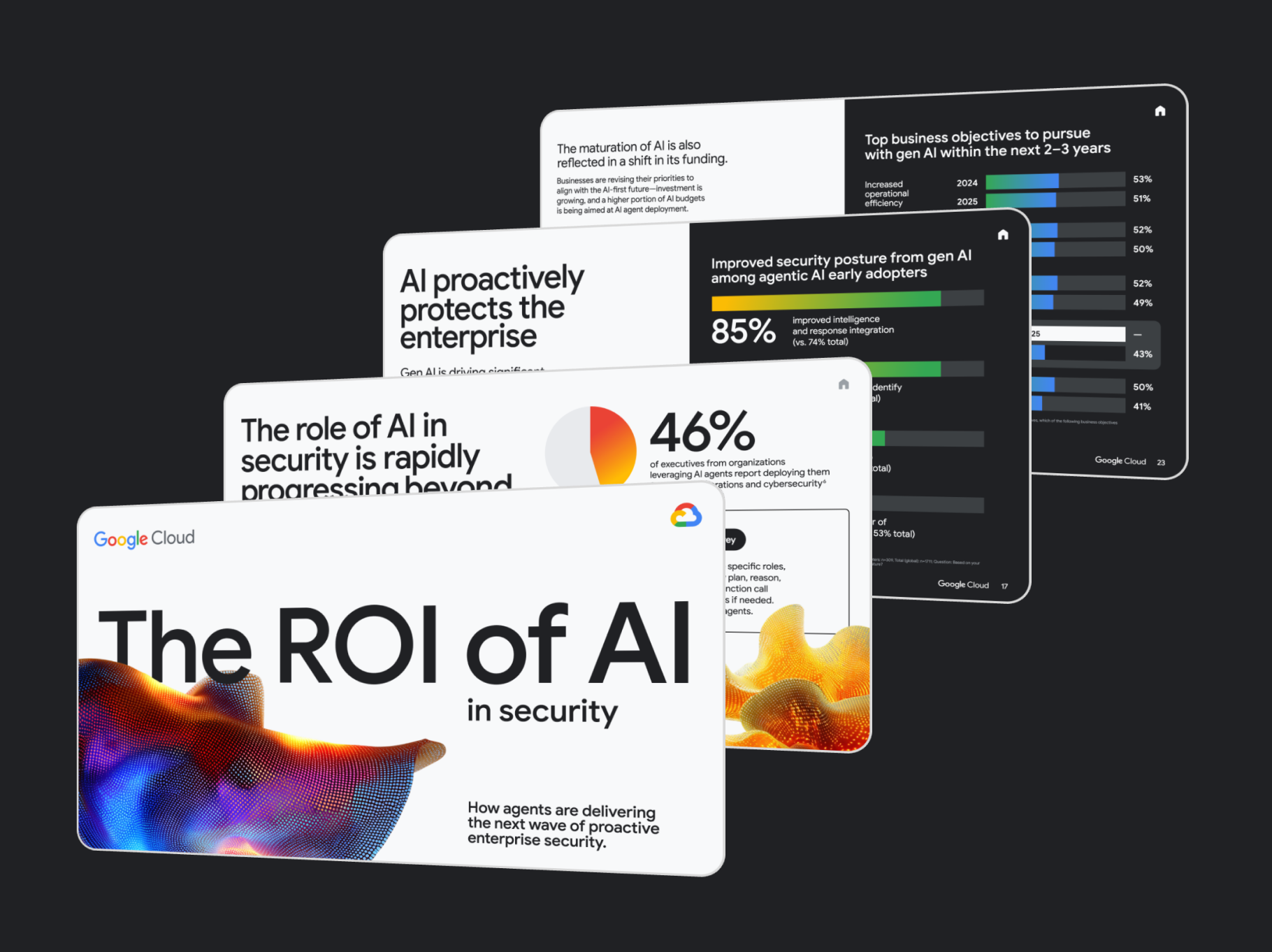
Der ROI von KI im Bereich Sicherheit
Google Cloud unterstützt Teams bei der Modernisierung, Automatisierung und Skalierung von Sicherheitsabläufen
Google Cloud unterstützt Teams bei der Modernisierung, Automatisierung und Skalierung von Sicherheitsabläufen
Mit agentischer KI in Google SecOps können Sie Ihr SOC in die Lage versetzen, autonom Ergebnisse zu erzielen.
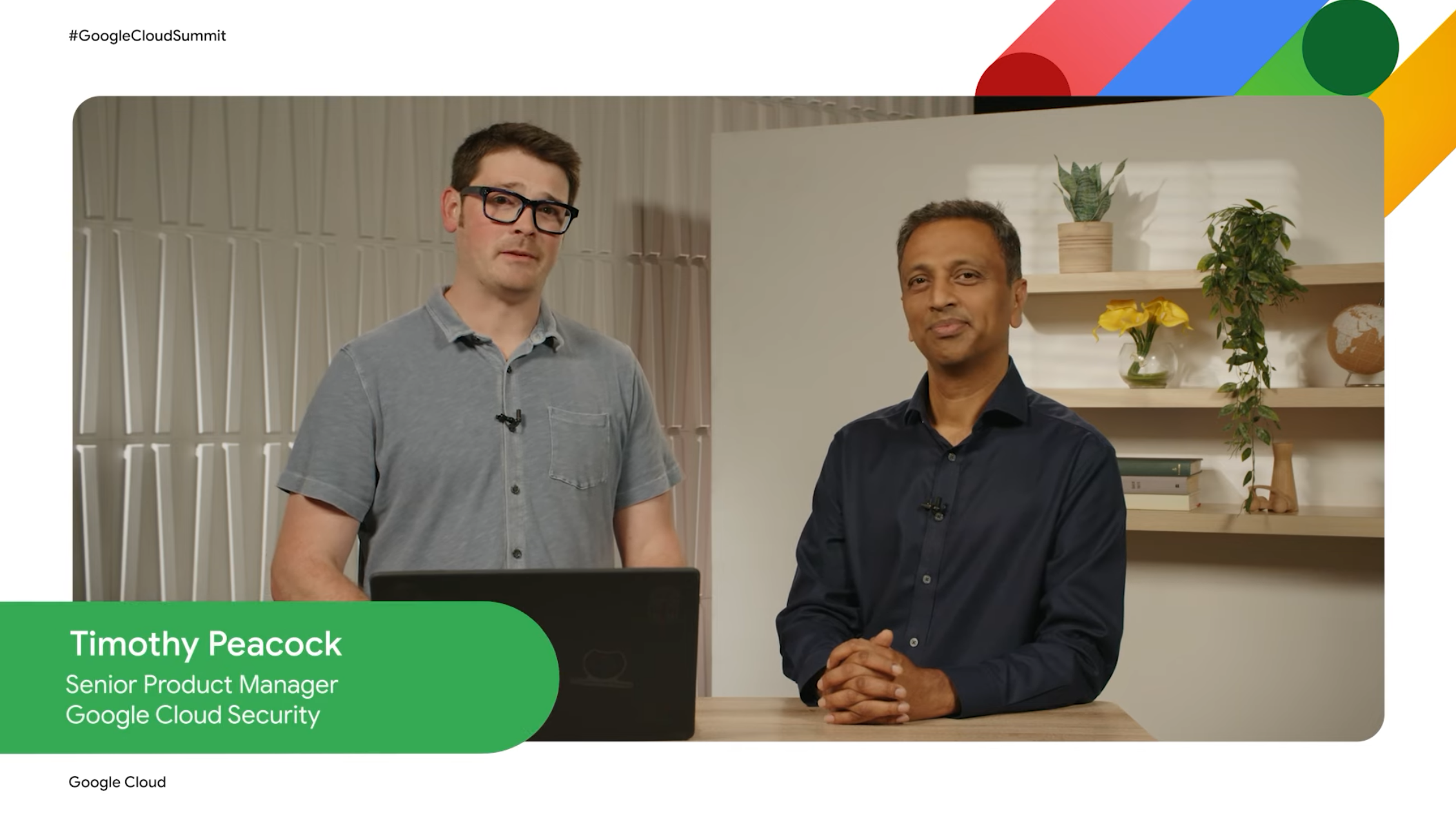
Sie erfahren, wie Sie eigene Workflows erstellen, mit dem SecOps Model Context Protocol produktübergreifende Fragen beantworten und sofort auf unsere neuesten KI-Innovationen in SecOps Labs zugreifen können.
Ihr SOC stärken
Mit agentischer KI in Google SecOps können Sie Ihr SOC in die Lage versetzen, autonom Ergebnisse zu erzielen.
Sie erfahren, wie Sie eigene Workflows erstellen, mit dem SecOps Model Context Protocol produktübergreifende Fragen beantworten und sofort auf unsere neuesten KI-Innovationen in SecOps Labs zugreifen können.
Schutz vor KI-Bedrohungen
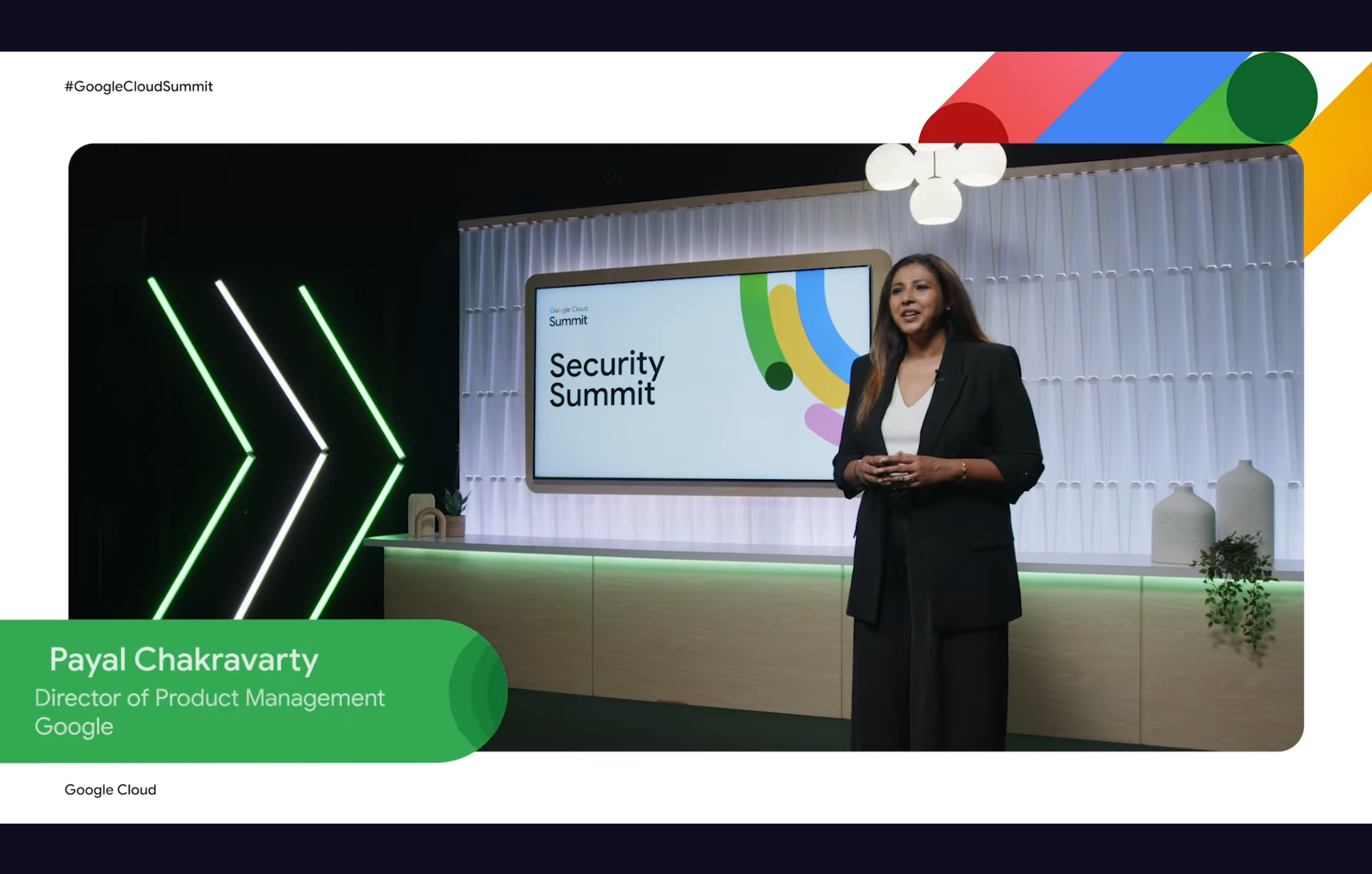
Hype oder Realität: Was Sie über den feindlichen Missbrauch von KI wissen sollten
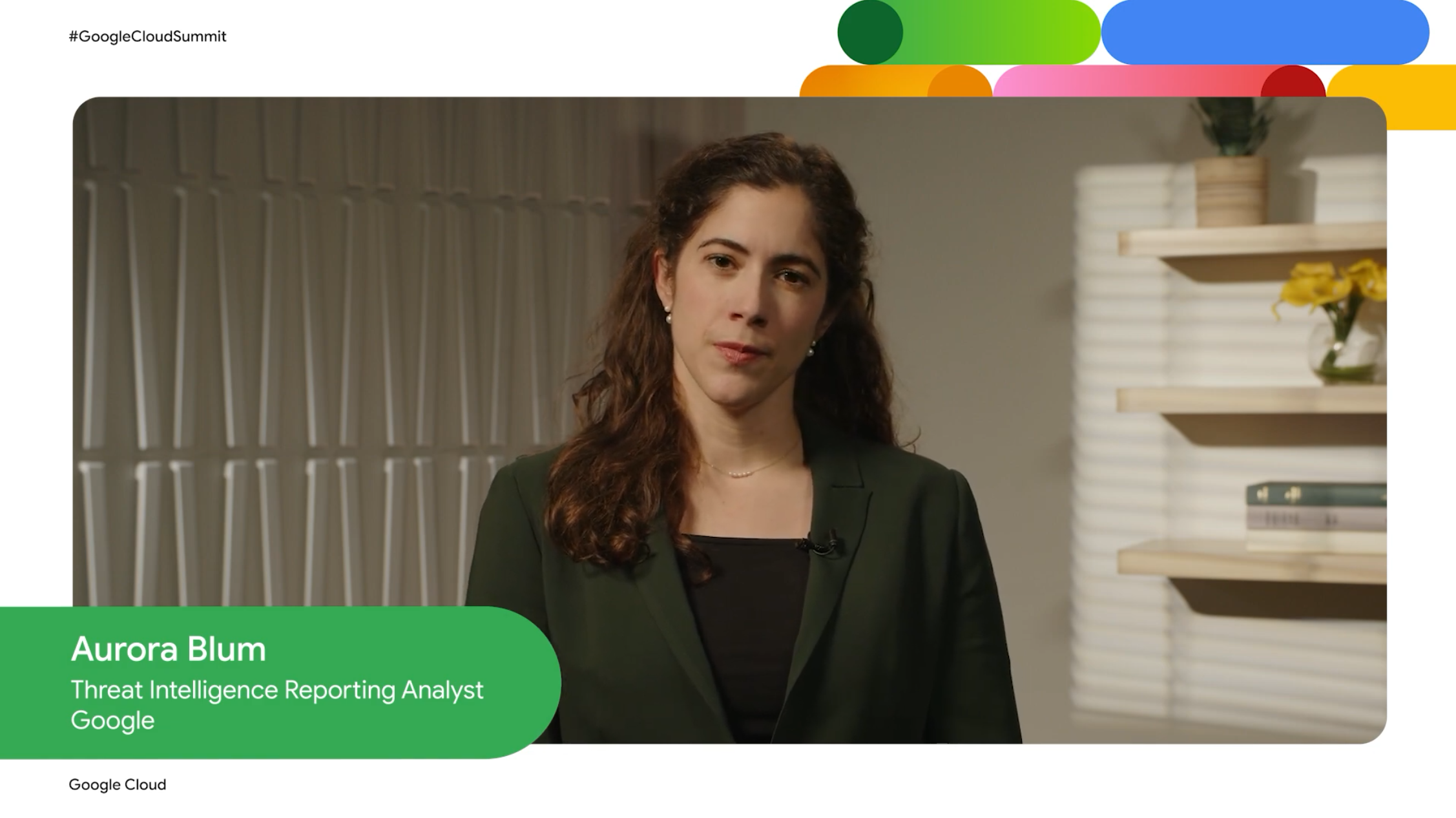
Erfahren Sie mehr über die praktische Realität von KI-gestützten Bedrohungen. Erfahren Sie, wie staatlich unterstützte Angreifende generative KI für Phishing und Aufklärung nutzen – und welche Einschränkungen es gibt, die Sicherheitsteams einen Schritt voraus sein lassen.
Modernisieren Sie Ihre Reaktion
Incident-Response-Planung im Zeitalter der KI
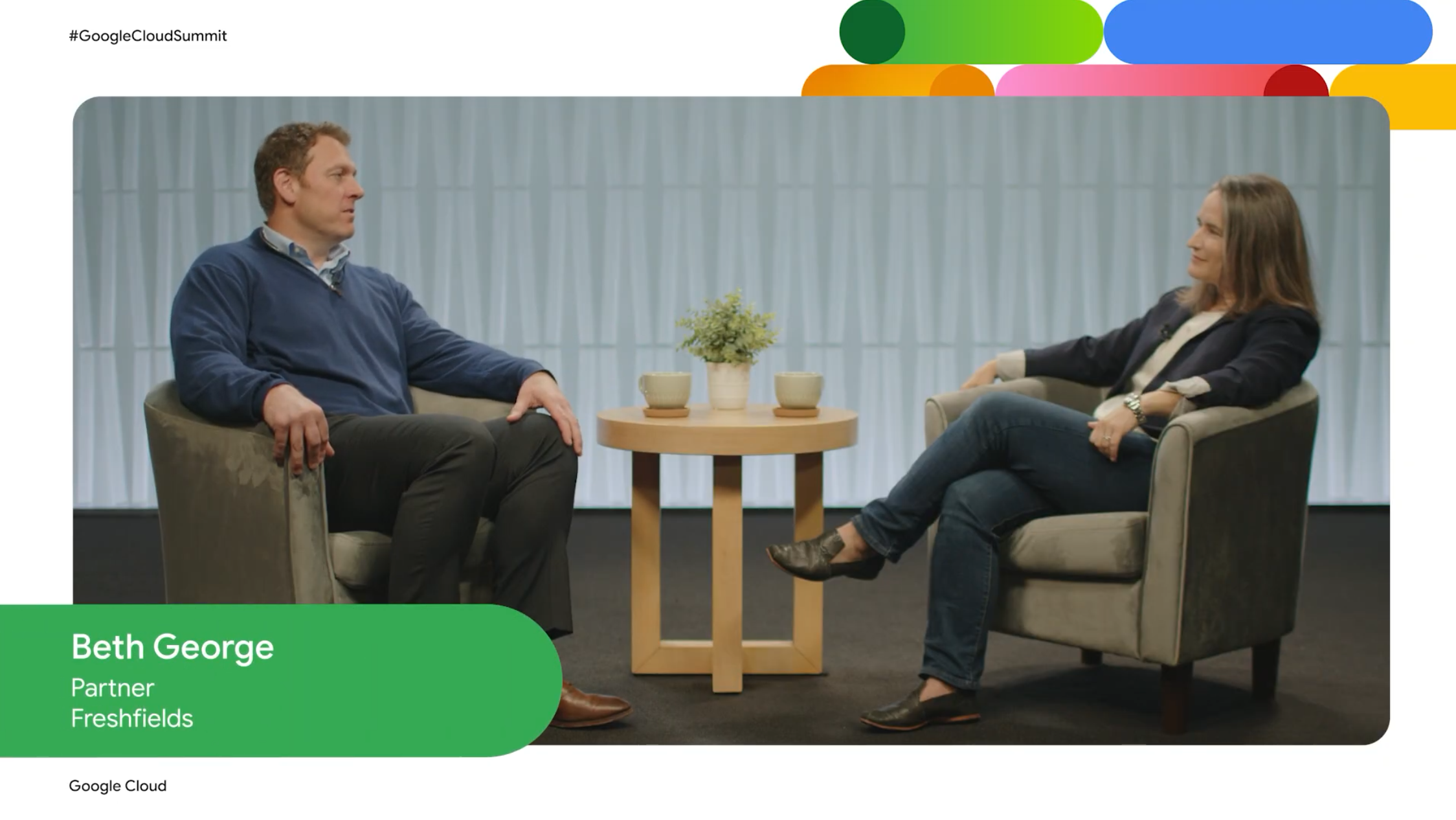
Erfahren Sie, wie KI das Krisenmanagement verändert – von Deepfake-Identitätsdiebstahl bis hin zu „überraschendem“ Chatbot-Verhalten. Erleben Sie, wie Experten von Mandiant und Freshfields erläutern, warum Rechts-, Personal- und Marketingabteilungen jetzt Teil Ihres Incident Response-Teams sein müssen.
Ergebnisse in der Praxis: Was die KI-gestützte Abwehr leistet
Erfahren Sie, wie führende Unternehmen mit Google SecOps Risiken reduzieren, schneller reagieren und ihre Teams stärken.
Sicherheit für die Zukunft
Informieren Sie sich über die neuesten Strategien in Sachen Threat Intelligence und KI-gestützte Sicherheit, um Ihre Innovationen zu schützen und zu beschleunigen.
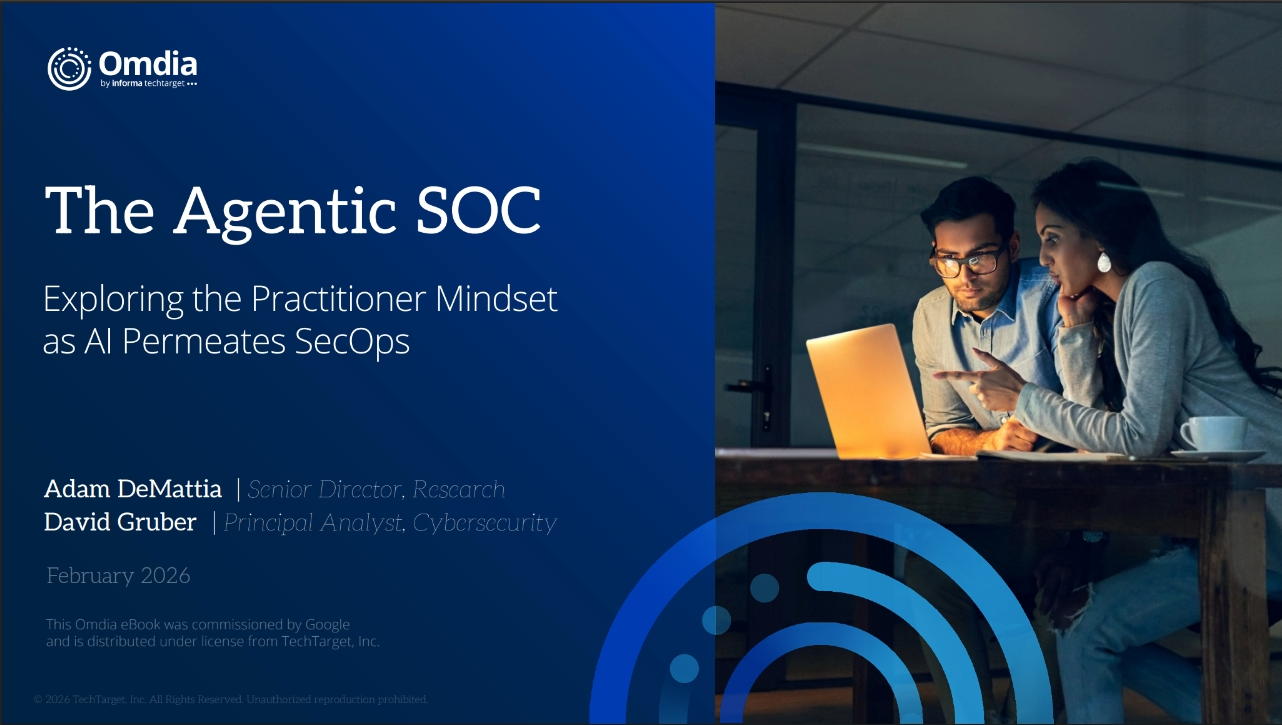 Das agentische SOC: Ein Bericht aus der PraxisIn diesem Bericht werden 300 Sicherheitsexperten und SOC-Manager befragt, um herauszufinden, wie andere Unternehmen agentische KI einsetzen, welche Herausforderungen sie dabei bewältigen müssen und welche ersten Erfolge sie in ihren eigenen Sicherheitsabläufen erzielen.Studie lesen
 M-Trends 2026: The Executive EditionMit den Informationen aus erster Hand von Mandiant können Sie Ihr SOC stärken. Die M-Trends Executive Edition beschreibt die neuesten Taktiken, Techniken und Verfahren (TTPs) von Angreifern und bietet strategische Einblicke, die Sie bei der Entwicklung Ihrer Strategie zur Bedrohungserkennung und Reaktion auf Vorfälle unterstützen.Bericht lesen
 Sichere KI-Innovationen ohne UnterbrechungenHier erfahren Sie, wie Sie die schnelle Einführung von KI mit Sichtbarkeit, Kontrolle und Vertrauen in jeder Phase des Lebenszyklus sichern und steuern können.E-Book herunterladen
Startbereit?
Bewerten Sie Ihren Reifegrad, vermitteln Sie Ihrem Team praktische KI-Kenntnisse und sichern Sie Ihre Innovationen mit fachkundiger Beratung.
- Tool zur Bewertung des Reifegrads von SecOpsSie können die Stärken und Schwächen Ihres SOC identifizieren, es mit den Best Practices der Branche vergleichen und umsetzbare Erkenntnisse gewinnen, um Ihre Security Posture allgemein zu verbessern.Bewertung durchführen
- Anleitung: Prompts mit Gemini erstellenVon der Theorie zur Praxis. Hier erfahren Sie, wie Sie effektive Prompts in natürlicher Sprache für die Bedrohungserkennung, die Playbook-Generierung und die Analyse von Threat Intelligence schreiben.Leitfaden herunterladen
- Nutzung von KI sichernMit den von Experten geleiteten Bedrohungsbereitschafts- und KI-spezifischen Bewertungen von Mandiant Consulting können Sie die Architektur, die Datenabwehr und die auf KI-Modellen basierenden Anwendungen bewerten.Mit einer Fachkraft sprechen
Häufig gestellte Fragen
Was ist ein Agentic SOC und wie unterscheidet es sich von der herkömmlichen Automatisierung?
Ein agentisches SOC geht über die Standardautomatisierung (SOAR) hinaus, indem es KI-Agenten verwendet, die dynamisch Schlussfolgerungen ziehen, planen und handeln können. Bei der herkömmlichen Automatisierung werden starre, vordefinierte Playbooks verwendet. Agentische KI hingegen bewertet den Kontext, erkennt Muster in unzusammenhängenden Daten und ermittelt den besten Weg, um eine Bedrohung zu untersuchen. Sie passt sich in Echtzeit an, genau wie ein menschlicher Analyst.
Werden KI-Agenten menschliche Sicherheitsanalysten ersetzen?
Nein. Google ist der Ansicht, dass KI die Sicherheitsteams unterstützen und nicht ersetzen soll. KI-Agenten sind zuverlässige Teammitglieder, die sich um umfangreiche, sich wiederholende Aufgaben kümmern – wie die erste Triage, Datenkorrelation und das Erstellen von Berichten. Dieser „Kraftverstärker“-Effekt ermöglicht es menschlichen Analysten, sich auf hochwertige strategische Entscheidungen, die Suche nach Bedrohungen und komplexe Incident-Response-Maßnahmen zu konzentrieren, bei denen menschliche Intuition erforderlich ist.
Wie entwickelt sich das SOC von einer „unterstützten“ zu einer „autonomen“ Verteidigung?
Die Sicherheitsbranche bewegt sich von Unterstützungsangeboten (bei denen KI Chatbots oder Zusammenfassungen anbietet) zu autonomen Angeboten (bei denen KI-Agenten selbstständig arbeiten). In einem autonomen SOC können Agenten vollständige Workflows ausführen – Beweise erfassen, Analysen durchführen und ein Urteil abgeben –, während die menschliche Aufsicht für die endgültige Entscheidungsfindung und Überwachung erhalten bleibt.
Wie funktioniert der Google SecOps Alert Triage and Investigation Agent?
Der Agent für die Triage und Untersuchung von Benachrichtigungen wurde entwickelt, um Warnungen autonom und in Maschinengeschwindigkeit zu untersuchen. Er erfasst automatisch Beweise, führt komplexe Analysen durch (z. B. das Entschlüsseln verschleierter Skripts), korreliert Signale aus verschiedenen Tools und liefert ein klares Ergebnis mit einer Erklärung. So können SOC-Teams fertige Untersuchungen prüfen, anstatt ständig Warnungen nachzugehen.
Lassen sich die KI-Agents von Google in Sicherheitstools von Drittanbietern einbinden?
Ja. Durch die Unterstützung des Model Context Protocol (MCP) können KI-Agenten von Google sich mit Tools in Ihrer gesamten IT- und Sicherheitsumgebung verbinden und mit ihnen interagieren – nicht nur mit Google-Produkten. So können SOC-Teams komplexe Workflows mit mehreren Anbietern orchestrieren und Daten aus verschiedenen Quellen mit einfachen Fragen in natürlicher Sprache abrufen.
Welche messbaren Ergebnisse können wir durch den Einsatz von Agentic AI erwarten?
Unternehmen, die Google SecOps mit KI-Agents einsetzen, verzeichnen eine deutliche Steigerung der betrieblichen Effizienz. Zu den wichtigsten Ergebnissen gehören eine um 50 % schnellere mittlere Reaktionszeit (Mean Time to Respond, MTTR), eine höhere Erkennungsgenauigkeit und eine deutlich geringere Belastung der Analysten. Durch die Automatisierung der Routinearbeit können Sicherheitsteams die steigende Anzahl von Bedrohungen bewältigen, ohne dass sie die Mitarbeiterzahl proportional erhöhen müssen.
Sind die KI-Daten, die in Google SecOps verwendet werden, sicher und vertraulich?
Ja. Google Cloud hält sich an strenge Datenschutzgrundsätze. Ihre Daten gehören Ihnen – sie werden nicht ohne Ihre Erlaubnis zum Trainieren der Foundation Models von Google verwendet. Alle KI-Interaktionen in SecOps basieren auf der von Grund auf sicheren Infrastruktur von Google. So bleiben Ihre sensiblen Untersuchungsdaten geschützt und die Compliance-Anforderungen werden erfüllt.
Wie kann agentische KI den Fachkräftemangel im Bereich Cybersicherheit beheben?
Der weltweite Fachkräftemangel führt dazu, dass viele SOCs unterbesetzt sind. Agentische KI löst dieses Problem, indem sie Fachwissen skaliert. Sie erhalten von erfahrenen Analysten Kontext und Anleitungen, um komplexe Fälle schneller zu lösen. Gleichzeitig wird verhindert, dass leitende Analysten in Meldungen auf niedriger Ebene untergehen, was die Mitarbeiterbindung verbessert, da sie sich auf anspruchsvolle, lohnende Arbeit konzentrieren können.
Warum ist der Cloud-Kontext für ein Agentic SOC so wichtig?
KI-Agenten sind leistungsstark, aber sie sind nur so gut wie die Daten, die sie erhalten. Eine Warnung von einem einzelnen Tool enthält oft nicht den Kontext, den ein Agent benötigt, um das tatsächliche Risiko zu verstehen. Ein umfassender Cloud-Kontext, wie er vom Wiz Security Graph bereitgestellt wird, ergänzt Warnungen um den gesamten Angriffspfad – er verbindet eine Schwachstelle mit einer Gefährdung, einer Berechtigung und sensiblen Daten. So erhält der KI-Agent alle Informationen, die er für schnellere und fundiertere Entscheidungen benötigt.
Was ist der Hauptvorteil der Integration von Wiz in Google SecOps?
Der Hauptvorteil ist die Sicherheit. Durch die Kombination der KI-gestützten Automatisierung von Google mit der detaillierten Angriffspfadanalyse von Wiz werden die Ressourcen Ihres SOC nicht mehr zum Tracken Tausender Warnungen mit geringem Kontextbezug gebunden, sondern ausschließlich zur Bekämpfung bestätigter kritischer Sicherheitsbedrohungen eingesetzt. Dadurch werden Störungen drastisch reduziert und sowohl Ihre menschlichen Analysten als auch Ihre KI-Agents können sich auf echte Bedrohungen konzentrieren.
Wie hilft Wiz dabei, Bedrohungen zu priorisieren, damit KI-Agenten darauf reagieren können?
Wiz nutzt seinen Sicherheitsgraphen, um die Beziehungen zwischen verschiedenen Risikofaktoren in Ihrer Cloud zu analysieren. Anstatt einer einfachen Liste von Sicherheitslücken werden „schädliche Kombinationen“ identifiziert, die einen ausnutzbaren Angriffspfad schaffen. So erhalten Sie eine Liste mit kritischen Bedrohungen, die bereits priorisiert wurde. Sie können Ihre Google SecOps-KI-Agents dann damit beauftragen, die wirklich wichtigen Probleme zu untersuchen und zu beheben.