75 million drug-disease predictions analyzed
Nine active drug repurposing programs launched in one year
Prediction pipeline accelerated from 100 days to ~17 hours
Every Cure uses Google AI to match 4k existing drugs against 18k diseases, discovering life-saving treatments for patients faster.
Every Cure uses Google AI to match 4k existing drugs against 18k diseases, discovering life-saving treatments for patients faster.
Turning a personal health struggle into a
global mission to save lives
Dr. David Fajgenbaum was a healthy third-year medical student when he suddenly became critically ill with Castleman disease, a rare disorder that caused his organs to shut down. After enduring seven different chemotherapies and suffering multiple relapses, David helped discover that the existing drug sirolimus could treat his condition. The drug put him into sustained remission and ultimately inspired the founding of Every Cure.
This experience became the catalyst for Every Cure, a nonprofit that aims to unlock the hidden potential in existing drugs. Fajgenbaum realized that of the world’s recognized diseases, only 4,000 have FDA-approved treatments, meaning there are still ~14,000 recognized diseases that lack any treatments.
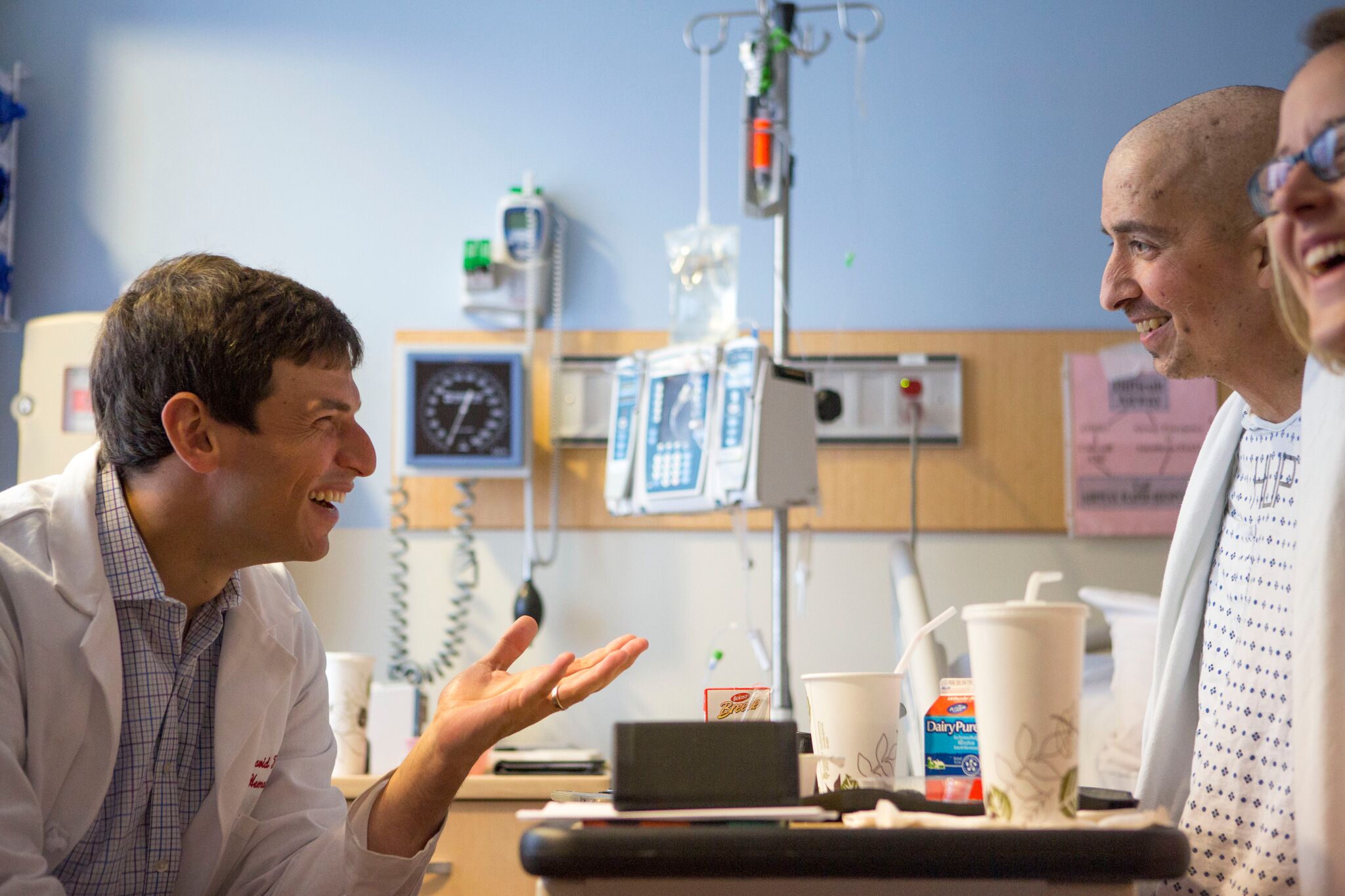
"It's not that anyone's hiding these treatments from being used," Fajgenbaum, co-founder and president of Every Cure, says. "It’s that no company is incentivized to prove that they actually work in new ways."
The gap comes down to economics: More than 80% of approved drugs are already generic, so pharmaceutical companies lack the financial motivation to research new uses for them, as they can’t profit from the discoveries. As a nonprofit, Every Cure can fill that gap, using Google AI to match all existing drugs against all recognized human diseases to find the strongest opportunities to save lives.
From the moment that this drug started to save my life, all I can think about are all the patients we could have saved if we used the drugs we have in new ways.
Dr. David Fajgenbaum
Co-Founder and President, Every Cure
Scaling 75 million predictions with Google AI
Traditional drug repurposing research starts with a single disease and searches for a drug that might help or vice versa. Every Cure’s approach, which Fajgenbaum calls computational pharmacophenomics, looks at all drugs and all diseases simultaneously—75 million possible drug-disease combinations—and scores the strength of evidence for every possible interaction. Then the data surfaces the strongest matches.
Analyzing these 75 million possible drug-disease combinations requires a massive, unified data foundation. Every Cure’s platform relies on Google Cloud as its underlying operating system, with BigQuery and Cloud Storage to house biomedical knowledge graphs seamlessly in one place. Gemini platform and Gemini quantify evidence across that knowledge base, including published research, clinical data, and molecular biology.
The earliest version of the platform took 100 days to complete a single run and allowed the team to manage only three experiments a year. Using Google Cloud GPUs, Every Cure has since compressed that cycle to approximately 17 hours, enabling the nonprofit to run dozens of experiments per month.
"To productize and scale these early machine learning models, we needed the Google backbone," says Fajgenbaum. “If not for AI, we wouldn't be able to even think about doing what we're doing at Every Cure.”
Given that we're looking across all drugs, all diseases, and the world's knowledge of human biology, it's essential that we do this all in one platform with tools like BigQuery and Cloud Storage.
Dr. David Fajgenbaum
Co-Founder and President, Every Cure
Gemini helps triage what comes next. Every Cure's scientists, physicians, and PhDs review the top-ranked results for feasibility and clinical potential, concentrating on the most promising candidates rather than working through thousands of middling scores. In the past year, the team has reviewed the top 6,000 predictions from the platform.
From nine drug repurposing programs today
to 25 treatments by 2030
After just one year of running their platform on Google Cloud, Every Cure has launched nine active drug repurposing programs. These range from helping advance a treatment option for the ultra-rare pediatric disorder Bachmann-Bupp syndrome to highlighting evidence that perioperative lidocaine may reduce the risk of breast cancer metastasis by up to 29% at five years. Despite costing pennies per dose and being widely manufactured, lidocaine remains underutilized because no single stakeholder has a clear financial incentive to invest in the efforts needed to change standard practice.
Advancing an existing drug costs roughly 1% of developing a new molecule, because the safety profile, manufacturing process, and distribution channels already exist.
Driven by these early successes, Every Cure has set an ambitious goal to repurpose 15 to 25 treatments for 15 to 25 diseases by 2030—matching the output of pharmaceutical companies with significantly larger budgets. As Fajgenbaum says, “With a bold mission like ours, we need amazing partners, and we would not be close to where we are without Google Cloud.”
With Google Cloud, Every Cure is building a new way to save lives with the drugs that we already have.
Dr. David Fajgenbaum
Co-Founder and President, Every Cure
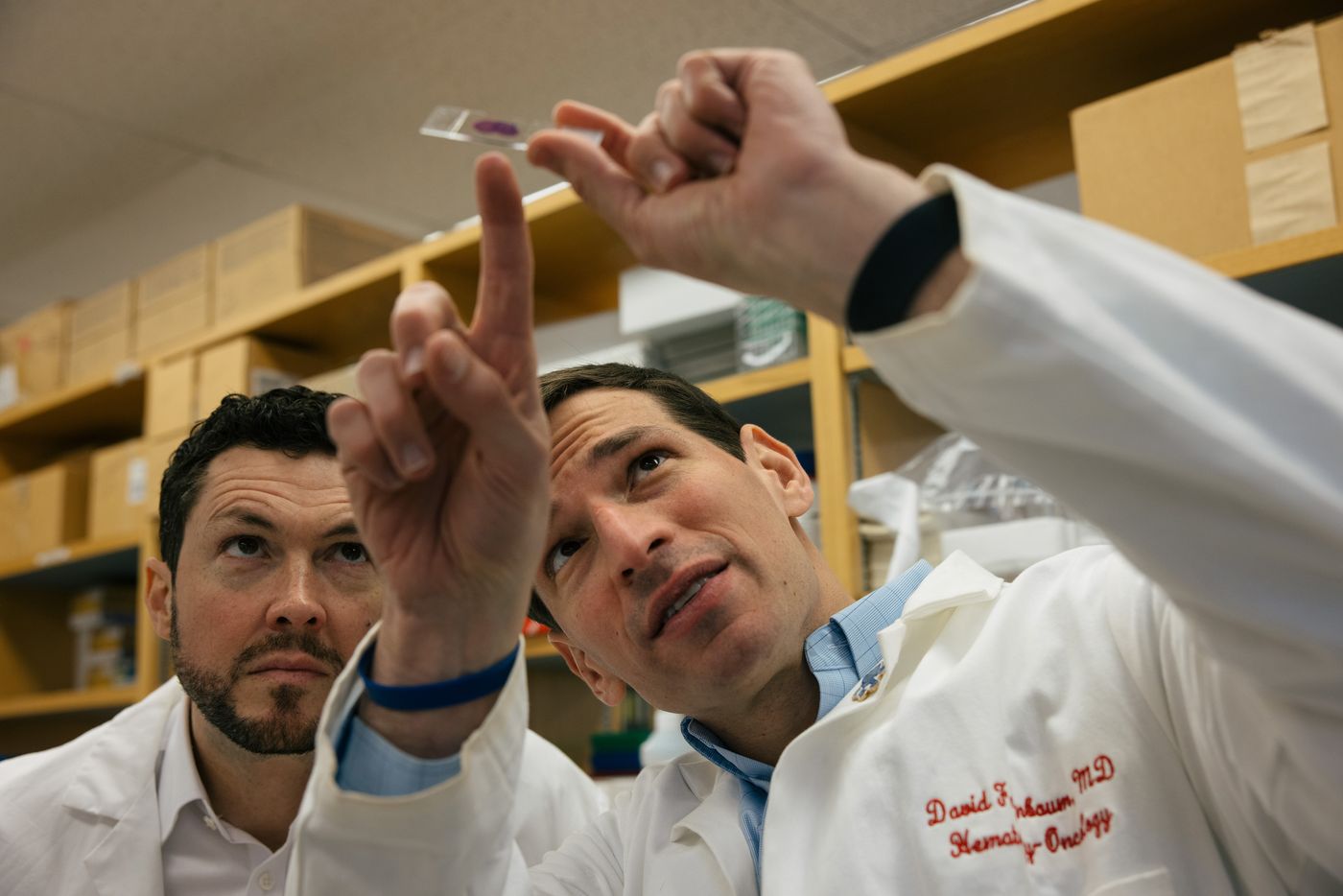
Born from its co-founder's experience repurposing a drug to save his own life, Every Cure is a nonprofit matching existing medicines to the ~14,000 diseases without approved treatment.
Industries: Healthcare and Life Sciences, Nonprofit
Location: United States
Products: BigQuery, Cloud Storage, Gemini, Google Cloud, Gemini platform