Reinventing the SOC with Agentic AI
Reinventing the SOC with Agentic AI
Reduce risk and increase speed. Discover how AI agents empower your security team to triage, investigate, and respond at machine speed—without losing human control.
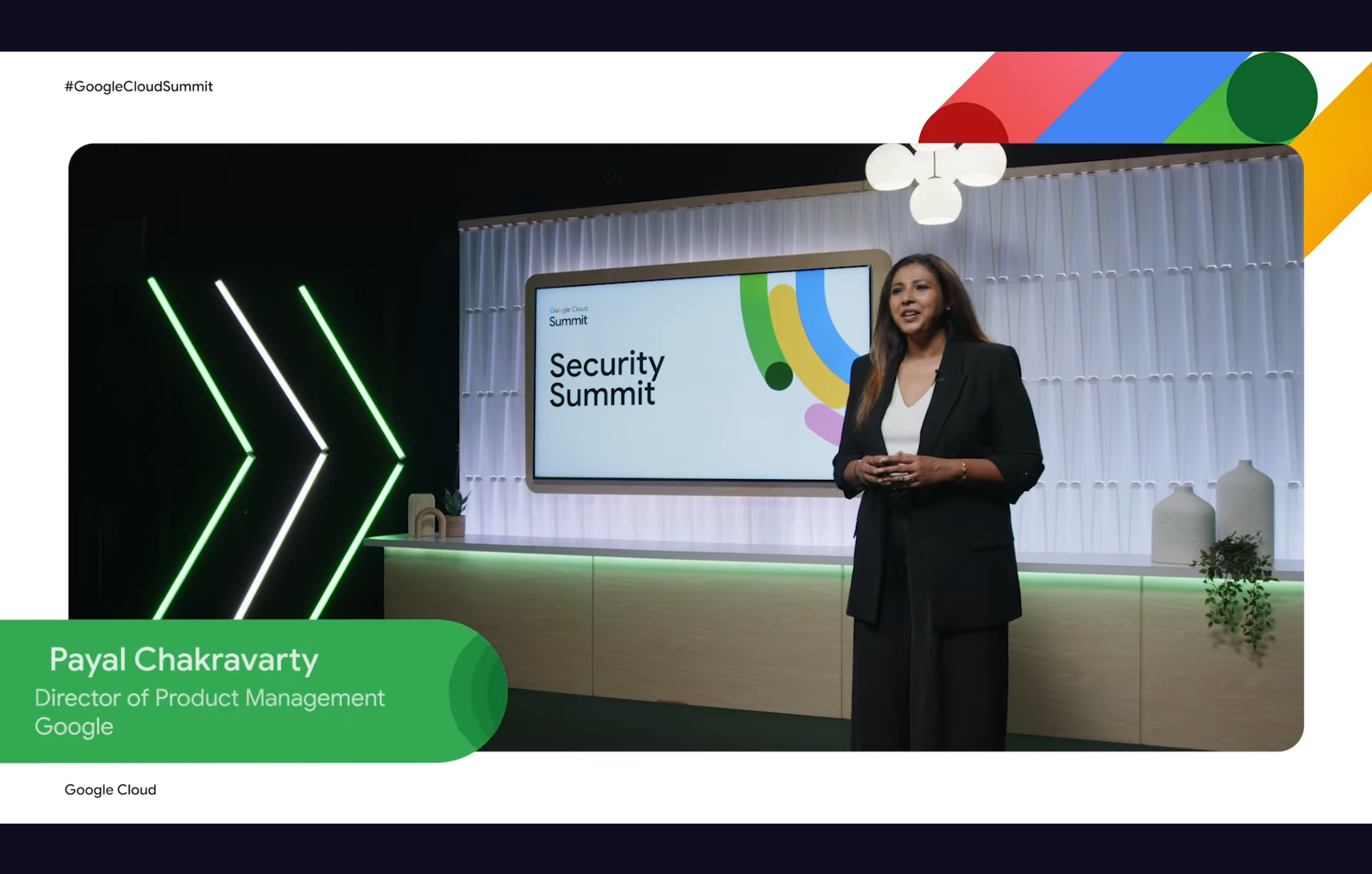
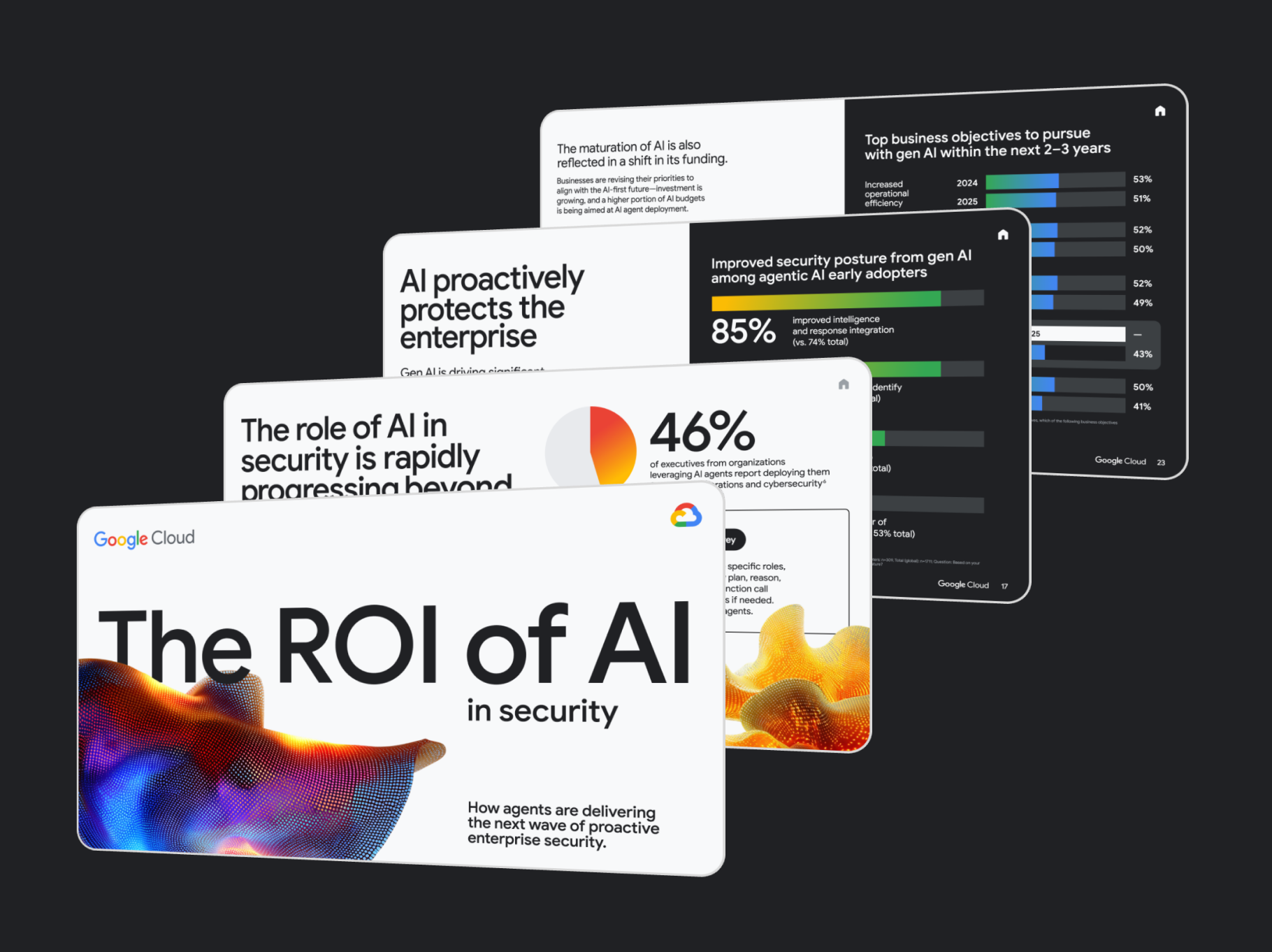
Google Cloud helps teams modernize, automate, and scale security operations
Google Cloud helps teams modernize, automate, and scale security operations
Empower your SOC with agentic AI for autonomous outcomes in Google SecOps.
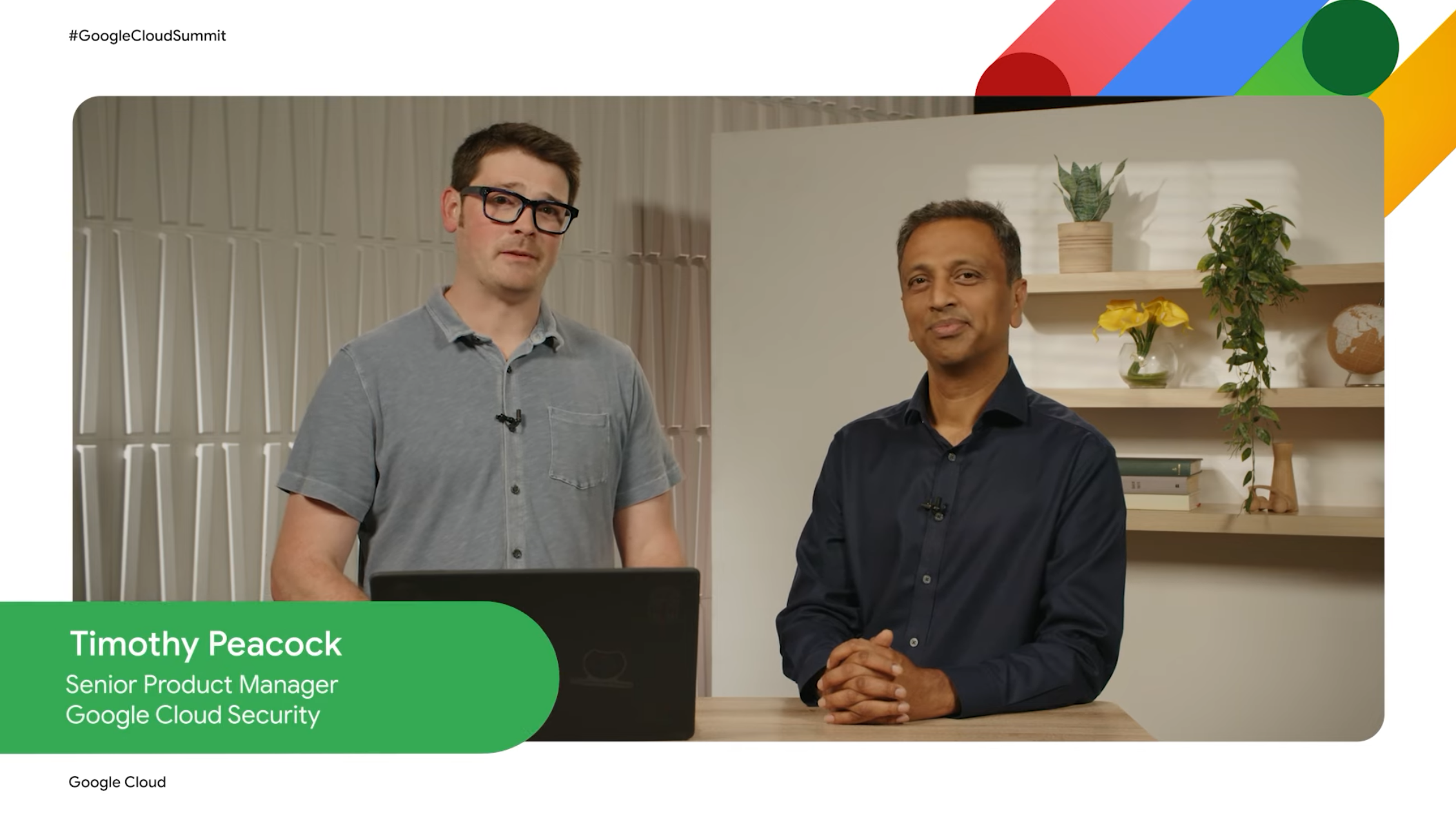
Learn how to build your own workflows, use the SecOps Model Context Protocol to answer cross-product questions, and get immediate access to our latest AI innovations in SecOps Labs.
Empower your SOC
Empower your SOC with agentic AI for autonomous outcomes in Google SecOps.
Learn how to build your own workflows, use the SecOps Model Context Protocol to answer cross-product questions, and get immediate access to our latest AI innovations in SecOps Labs.
Defend against AI threats
Hype vs. reality: What to know about adversarial misuse of AI
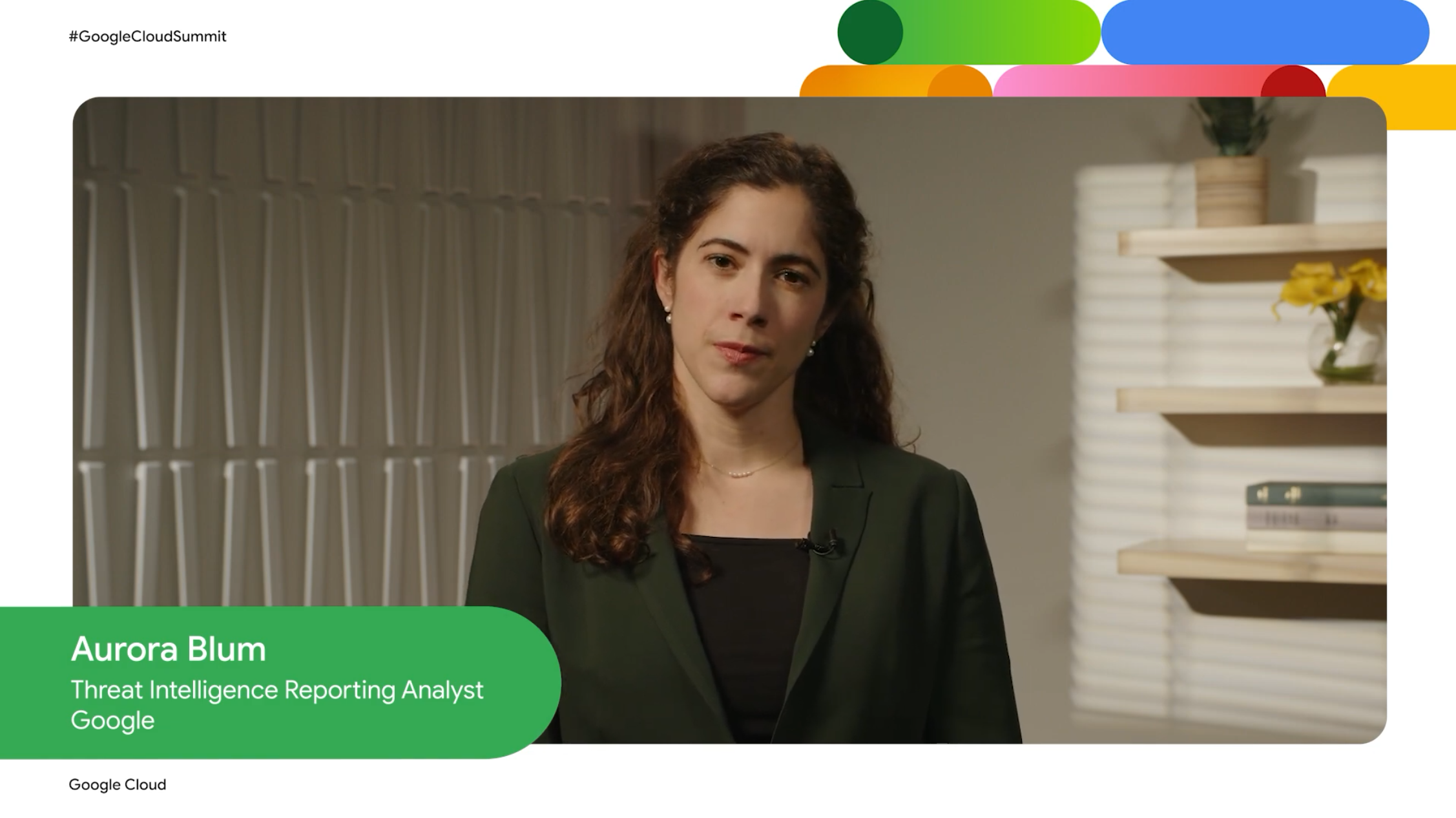
Learn the practical reality of AI-driven threats. See how government-backed attackers are using generative AI for phishing and reconnaissance—and discover the limitations that keep defenders one step ahead.
Modernize your response
Incident response planning in the age of AI
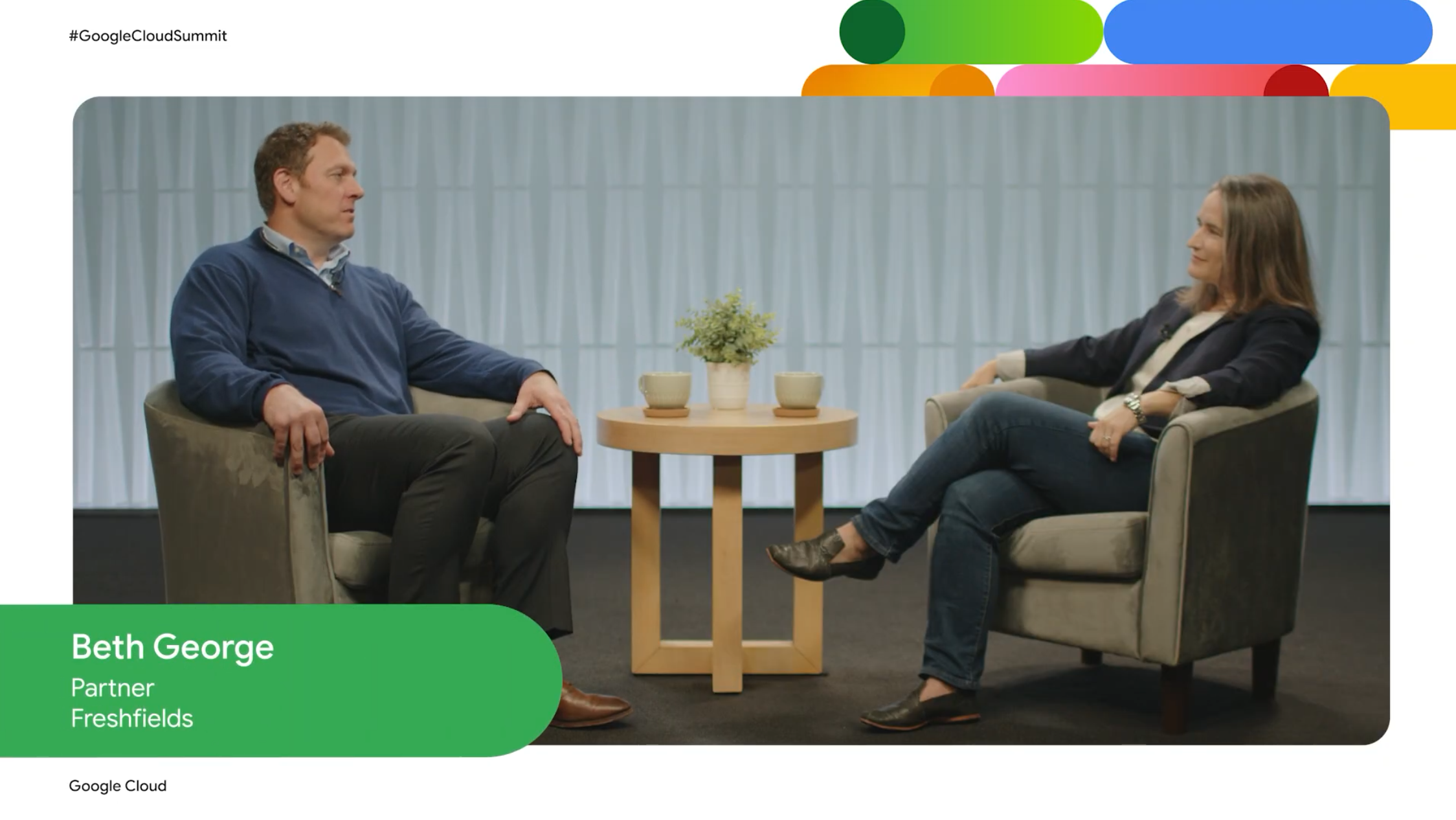
Learn how AI is reshaping crisis management—from deepfake impersonation to "surprising" chatbot behaviors. Watch Mandiant and Freshfields experts discuss why legal, HR, and marketing must now be part of your incident response team.
Real-world outcomes: What agentic defense delivers
See how leading organizations are using Google SecOps to reduce risk, increase speed, and empower their teams.
Secure what's next
Explore the latest threat intelligence and AI-driven security strategies to protect and accelerate your innovation.
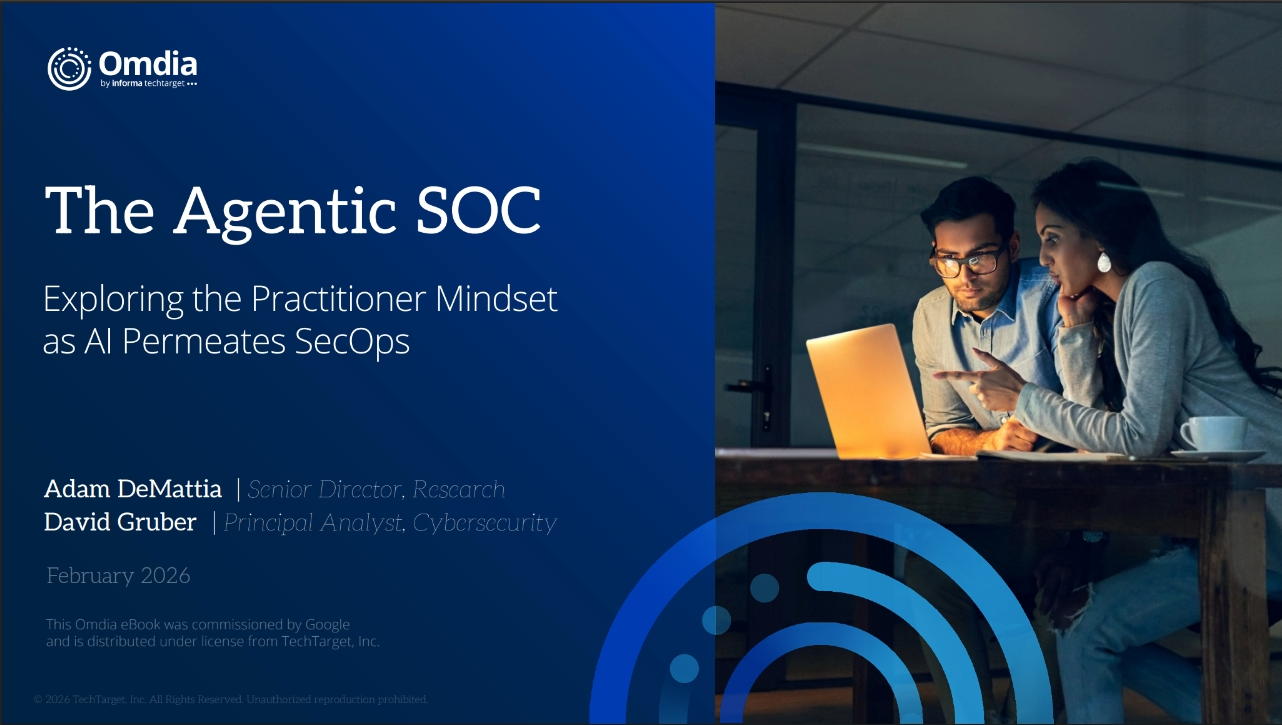 The Agentic SOC: A practitioner mindset reportThis report surveys 300 security practitioners and SOC managers to reveal how your peers are adopting agentic AI, the challenges they face, and the early wins they are achieving in their own security operations.Read the research
 M-Trends 2026: The Executive EditionArm your SOC with front-line intelligence from Mandiant. The M-Trends Executive Edition details the latest attacker tactics, techniques, and procedures (TTPs), providing the strategic insight needed to guide your threat detection and incident response strategy.Read the summary
 Secure AI innovation without interruptionDiscover how to secure and govern rapid AI adoption with visibility, control, and trust built into every layer of your lifecycle.Download the eBook
Ready to get started?
Assess your maturity, enable your team with practical AI skills, and secure your innovation with expert guidance.
- SecOps maturity assessment toolIdentify your SOC’s strengths and weaknesses, benchmark against industry best practices, and gain actionable insights to improve your overall security posture.Take the assessment
- User Guide: Creating prompts with GeminiMove from theory to practice. Learn how to write effective natural language prompts for threat detection, playbook generation, and threat intelligence analysis.Download the guide
- Securing the use of AIAssess the architecture, data defenses, and applications built on AI models with expert-led threat readiness and AI-specific assessments from Mandiant Consulting.Talk to an expert
Frequently Asked Questions
What is an Agentic SOC and how does it differ from traditional automation?
An Agentic SOC goes beyond standard automation (SOAR) by using AI agents that can reason, plan, and act dynamically. While traditional automation follows rigid, pre-scripted playbooks, Agentic AI assesses context, connects patterns across disconnected data, and determines the best path to investigate a threat—adapting in real-time just like a human analyst would.
Will AI agents replace human security analysts?
No. Google’s vision is that AI empowers defenders, it does not replace them. Agents act as trusted teammates that handle high-volume, repetitive tasks—like initial triage, data correlation, and report drafting. This "force multiplier" effect frees up human analysts to focus on high-value strategic decisions, threat hunting, and complex incident response where human intuition is required.
How is the SOC evolving from "assisted" to "autonomous" defense?
The security industry is shifting from assisted experiences (where AI offers chatbots or summaries) to autonomous experiences (where AI agents independently perform work). In an autonomous SOC, agents can execute complete workflows—gathering evidence, running analysis, and delivering a verdict—while keeping the human in the loop for final decision-making and oversight.
How does the Google SecOps Alert Triage and Investigation Agent work?
The Alert Triage and Investigation Agent is designed to autonomously investigate alerts at machine speed. It automatically gathers evidence, runs complex analyses (like decoding obfuscated scripts), correlates signals across tools, and delivers a clear verdict with an explanation. This allows SOC teams to move from "chasing alerts" to reviewing finished investigations.
Can Google’s AI agents integrate with third-party security tools?
Yes. Through support for the Model Context Protocol (MCP), Google’s AI agents can connect and interact with tools across your entire IT and security environment—not just Google products. This allows SOC teams to orchestrate complex, multi-vendor workflows and query data from diverse sources using simple natural language.
What measurable outcomes can we expect from adopting Agentic AI?
Organizations adopting Google SecOps with AI agents are seeing dramatic improvements in operational efficiency. Key outcomes include a 50% faster Mean Time to Respond (MTTR), higher detection accuracy, and significantly reduced analyst burnout. By automating the "grunt work," security teams can manage rising threat volumes without needing to proportionally increase headcount.
Is the AI data used in Google SecOps secure and private?
Yes. Google Cloud adheres to strict data privacy principles. Your data is your data—it is not used to train Google’s foundation models without your permission. All AI interactions within SecOps are built on Google’s secure-by-design infrastructure, ensuring that your sensitive investigation data remains protected and compliant.
How does Agentic AI help address the cybersecurity talent shortage?
The global talent shortage leaves many SOCs understaffed. Agentic AI addresses this by scaling expertise. It provides junior analysts with the context and guidance of seasoned experts, helping them resolve complex cases faster. Simultaneously, it prevents senior analysts from drowning in low-level alerts, improving retention by keeping them focused on challenging, rewarding work.
Why is cloud context so important for an Agentic SOC?
AI agents are powerful, but they are only as good as the data they receive. An alert from a single tool often lacks the context for an agent to understand the true risk. Deep cloud context, like that provided by the Wiz Security Graph, enriches alerts with the full attack path—connecting a vulnerability to an exposure, to a permission, to sensitive data. This gives the AI agent the full story it needs to make smarter, faster decisions.
What is the primary benefit of integrating Wiz with Google SecOps?
The primary benefit is certainty. By combining Google's AI-driven automation with Wiz's deep attack path analysis, your SOC can move from chasing thousands of low-context alerts to focusing only on the handful of critical incidents that are confirmed to be exploitable. This drastically reduces noise and allows both your human analysts and AI agents to focus on real threats.
How does Wiz help prioritize threats for AI agents to act on?
Wiz uses its Security Graph to analyze the relationships between different risk factors in your cloud. Instead of a flat list of vulnerabilities, it identifies "toxic combinations" that create an exploitable attack path. This provides a pre-prioritized list of critical threats, allowing you to direct your Google SecOps AI agents to investigate and respond to the issues that truly matter.