40% reduction in cloud infrastructure costs with the Cloud Run pay-per-use model
Deployment time reduced from half a day to 15 minutes with automated CI/CD using Cloud Build
Zero downtime achieved with Cloud Run autoscaling and managed services
From 30-40% resource utilization on previous infrastructure to 100% on Google Cloud
Google Cloud reliability freed up engineers from system maintenance to focus on innovation
Pienomial's Knolens platform delivers always-on AI for life sciences at lower prices while developers focus on products, not ops.
Pienomial's Knolens platform delivers always-on AI for life sciences at lower prices while developers focus on products, not ops.
Building reliable infrastructure for AI-powered life sciences
Google Cloud's managed infrastructure ensures reliability while accelerating our speed-to-market compared to competitors.
Priyanka Kashid
Director of Platforms, Pienomial
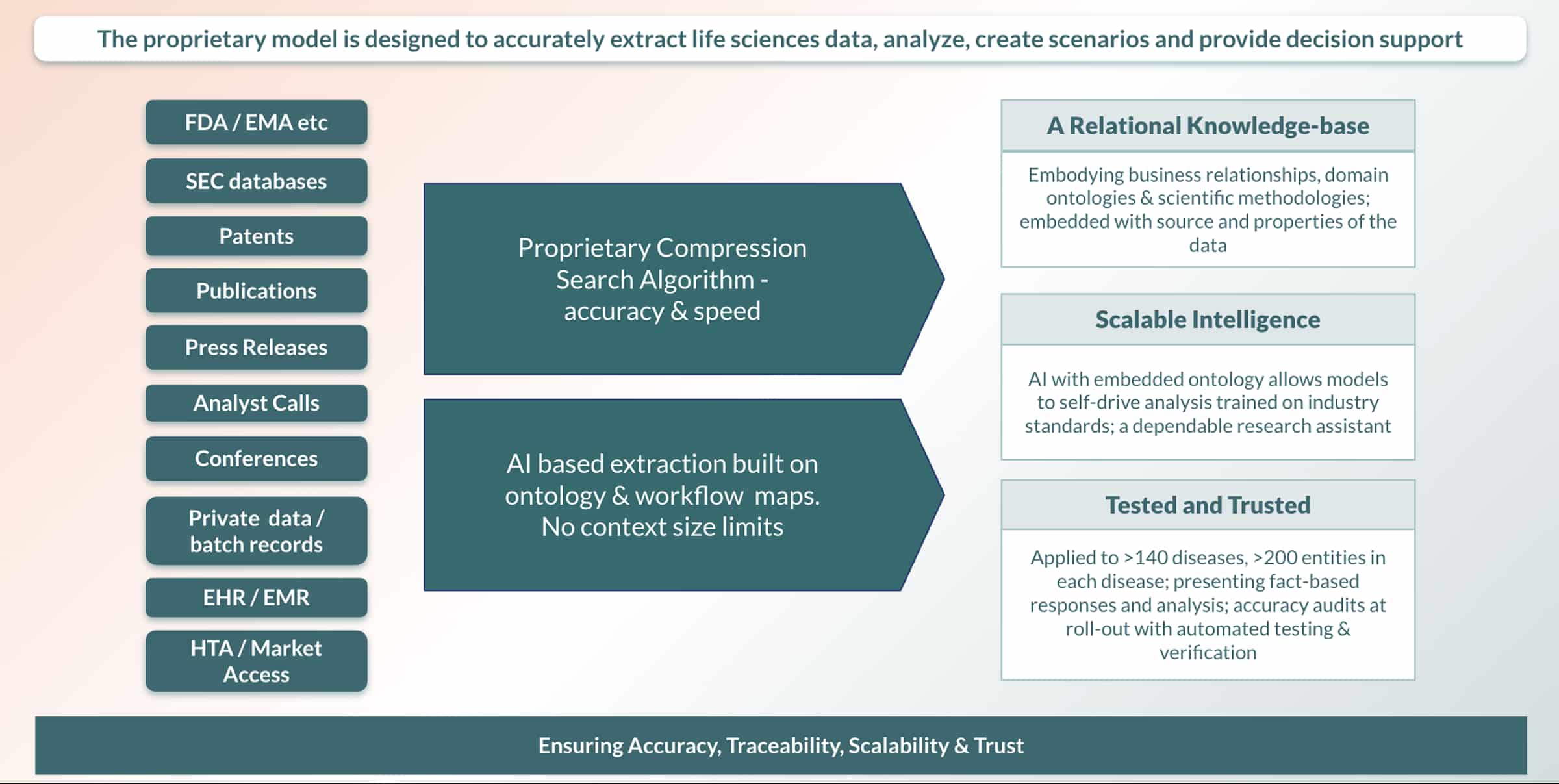
Life sciences organizations now rely on AI to navigate growing volumes of clinical trials, regulatory filings, and scientific literature shaping drug development. It was, therefore, essential that Knolens, Pienomial's sophisticated AI platform for life sciences, ran on infrastructure that could be updated quickly, scale automatically, and stay online without pulling a small team into constant deployment work.
Knolens combines proprietary evidence-structuring technology with generative AI to help organizations work with dense scientific and regulatory information so that high-stakes decisions can move forward with confidence.
Pienomial, the company behind it, is a technology-focused startup that has spent four to five years serving life sciences customers and is now expanding into areas such as financial services, manufacturing operations, and consulting.
The foundations under Knolens, however, were not built for that pressure. Deployments were manual and could take half a day, with no managed services for monitoring or deployment pipelines. A later move to a cloud provider brought more features but also more complexity and higher, less predictable costs, which were challenging for a startup to absorb. Limited logging and alerting meant that when something went wrong, it often took longer than it should to find and fix the issue.
For customers, that risked showing up as interruptions and higher prices, which is not acceptable for a platform supporting time-sensitive scientific work. Pienomial made a strategic decision to migrate Knolens fully to Google Cloud so it could run more reliably and cost effectively at scale.
"Google Cloud's managed infrastructure ensures reliability while accelerating our speed-to-market compared to competitors," says Priyanka Kashid, director of platforms at Pienomial.
To turn that decision into a durable foundation, Pienomial worked with Google Cloud partner Enhub to redesign the environment with secure networking, well-defined identity and access management, and codified infrastructure, ensuring Knolens can support growth while staying responsive and available as demand increases.
Automating deployments and strengthening monitoring with cloud-native tools
Monitoring and logging were the major pieces we did not have earlier. Now debugging and alerting are much stronger, and we can respond to issues before they grow.
Priyanka Kashid
Director of Platforms, Pienomial
Today, the platform runs on a managed, cloud-native architecture on Google Cloud. Core services use Cloud Run and Compute Engine, with traffic flowing through Virtual Private Cloud (VPC) and access controlled by Identity and Access Management (IAM) and Certificate Manager. For Pienomial, that means the underlying environment is structured and able to scale when usage grows, without the team manually managing or scaling servers.
For developers, the change is most obvious when something new needs to go live. For example, if a customer asks for a new way to analyze documents, the engineer still writes and tests the code as usual.
The difference is what happens next: instead of logging into machines and deploying manually, they hand the change off to an automated process built on Cloud Build and Cloud Run. The system packages the new version, rolls it out, and keeps the service available while customers continue working.
Operations now rely on a single monitoring and logging stack rather than ad-hoc checks. With Cloud Monitoring and Cloud Logging, the team can see how the platform is behaving, follow metrics over time and drill into logs when something looks unusual. Instead of wondering where to start, they open a dashboard and follow the data.
This has changed the rhythm of the engineering team's work:
- Changes follow a standard, automated path into production
- Issues are investigated using concrete metrics and log data rather than guesswork
- Routine checks take less time, leaving more attention for planned development
"Monitoring and logging were the major pieces we did not have earlier," says Kashid. "Now debugging and alerting are much stronger, and we can respond to issues before they grow."
Partnering to build a secure, scalable foundation for growth
As Pienomial moved onto Google Cloud, it wanted to ensure the environment would support larger customers and stricter requirements over time. To do that, the company worked with Google Cloud partner Enhub, relying on its experience designing cloud environments for long-term growth and risk reduction. "We wanted to get the foundations right with expert help," says Kashid. "Enhub made sure we could move fast while keeping security and governance strong for the long run."
Enhub reshaped how the environment was organized.
Enhub made sure we could move fast today while keeping security and governance strong for the long run.
Priyanka Kashid
Director of Platforms, Pienomial
Workloads were grouped into a clear organization and project structure so different applications and environments are easier to manage. Production and development systems are separated, with network boundaries using VPCs to contain issues and reduce the impact of changes. Access is managed through IAM roles instead of one-off permissions, simplifying onboarding and making it easier to adjust responsibilities as the team grows.
Security and audit readiness were treated as explicit goals. Enhub helped Pienomial tighten firewall rules and align patterns across services so controls are applied consistently. When the company went through a security assessment after the migration, the environment performed well, giving leadership confidence about future certifications and working with regulated customers.
The engagement was designed to build internal capability. Enhub documented the architecture, explained design decisions, and established repeatable patterns so new projects can follow the same standards. As a result, Pienomial now has:
- A cloud structure that can be governed more easily as workloads expand
- Security practices built into how new services are created and deployed
- A clearer path to meeting future compliance and enterprise requirements
- The in-house understanding needed to evolve the environment over time
With infrastructure that can scale automatically and stay secure, Pienomial is now focused on building AI agents to monitor the platform and exploring advanced orchestration with Google Kubernetes Engine. "This foundation lets our developers focus on innovation rather than maintenance," says Kashid. "We can deliver solutions faster than our competitors and stay ahead with what our clients need."
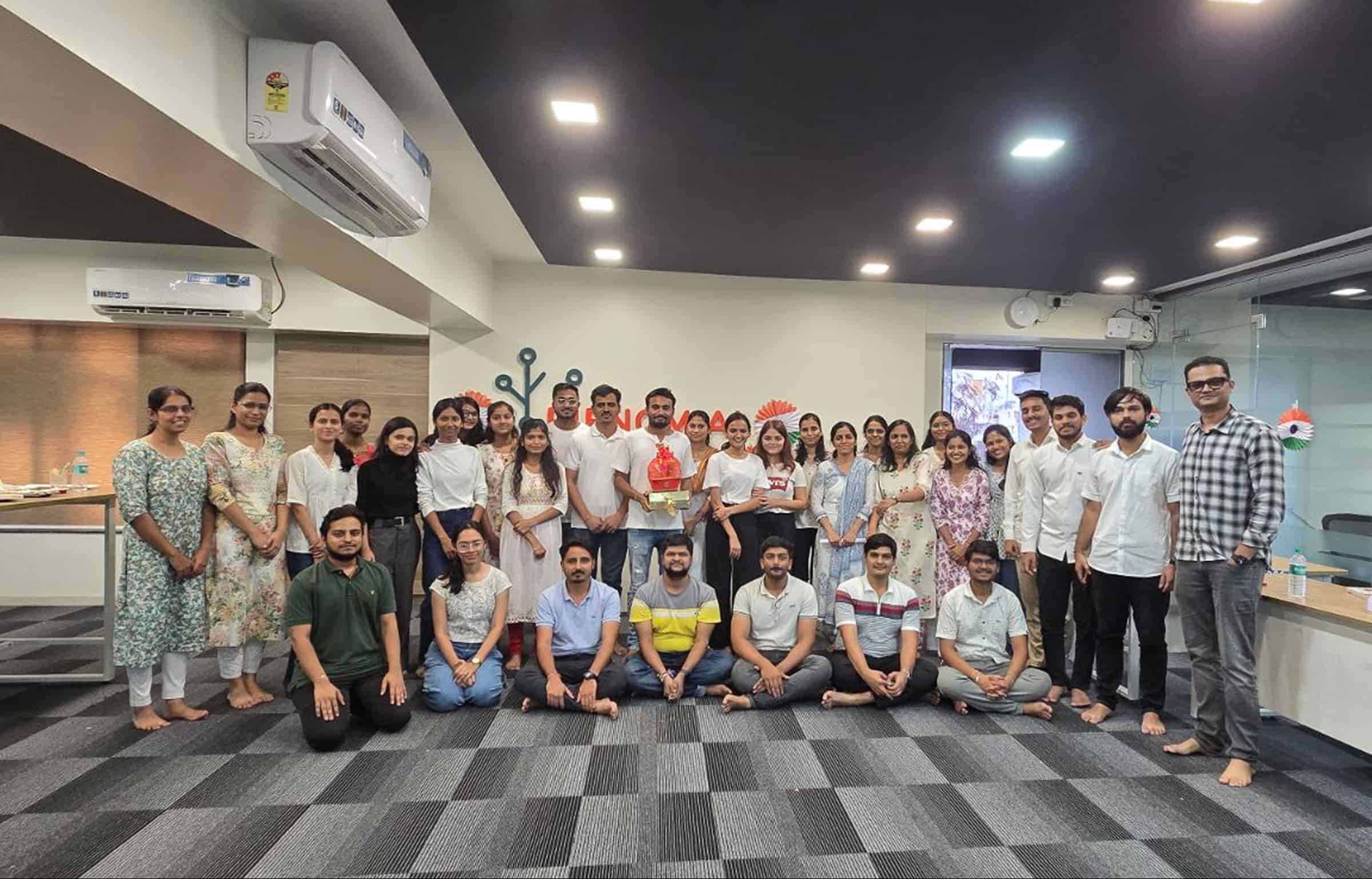
Pienomial is a technology company with an AI-powered platform that helps life sciences organizations turn complex scientific information into actionable intelligence for faster, evidence-driven decisions.
Industry: Healthcare and Life Sciences
Location: United States
Products: Cloud Run, Compute Engine, Virtual Private Cloud, Identity and Access Management, Certificate Manager, Cloud Build, Cloud Monitoring, Cloud Logging, Google Kubernetes Engine
About Google Cloud partner - Enhub
Enhub.ai is a Google Cloud partner specializing in infrastructure, data, and AI modernization, helping organizations design, secure, and operate scalable environments on Google Cloud.