Gains deeper visibility into network activity and usage by conducting on-chain data analysis with BigQuery
Accelerates zero-knowledge workloads by 10% by running Axion VMs on Compute Engine
Achieves up to 20% more cost efficiency on key instances compared to the previous solution
Empowers developers to build dApps by launching Aleo node on the Google Cloud Marketplace
Aleo is advancing blockchain privacy with zero-knowledge proofs (ZKPs), a compute-intensive technology that requires real-time analytics. By migrating to Google Cloud and leveraging BigQuery, Aleo has enhanced its efficiency, strengthened Web3 ecosystem support, and is growing its community.
Aleo is advancing blockchain privacy with zero-knowledge proofs (ZKPs), a compute-intensive technology that requires real-time analytics. By migrating to Google Cloud and leveraging BigQuery, Aleo has enhanced its efficiency, strengthened Web3 ecosystem support, and is growing its community.
Enhancing blockchain privacy with a reliable cloud infrastructure
In Web3, privacy isn’t a nice-to-have — it’s a must for real-world adoption. Aleo is building a platform for fully private, verifiable transactions using zero-knowledge proofs (ZKPs). It’s a breakthrough that puts users in control of their data — but comes with serious compute demands. That’s where a reliable, scalable cloud infrastructure comes in.
To support its performance needs, Aleo moved its APIs to Google Cloud. In testing, the Axion virtual machines (VMs) on Google Cloud delivered a 10% speed boost compared to the previous setup. This added efficiency means less operational overhead and a more stable, reliable foundation for running privacy-focused dApps at scale.
One key use case enabled by this migration is the one-click Aleo Node on the Google Cloud Marketplace. Developed in collaboration with BCW Group, this solution allows developers to spin up a VM in seconds — no complex setup required. That means more time building their applications, and less time managing infrastructure.
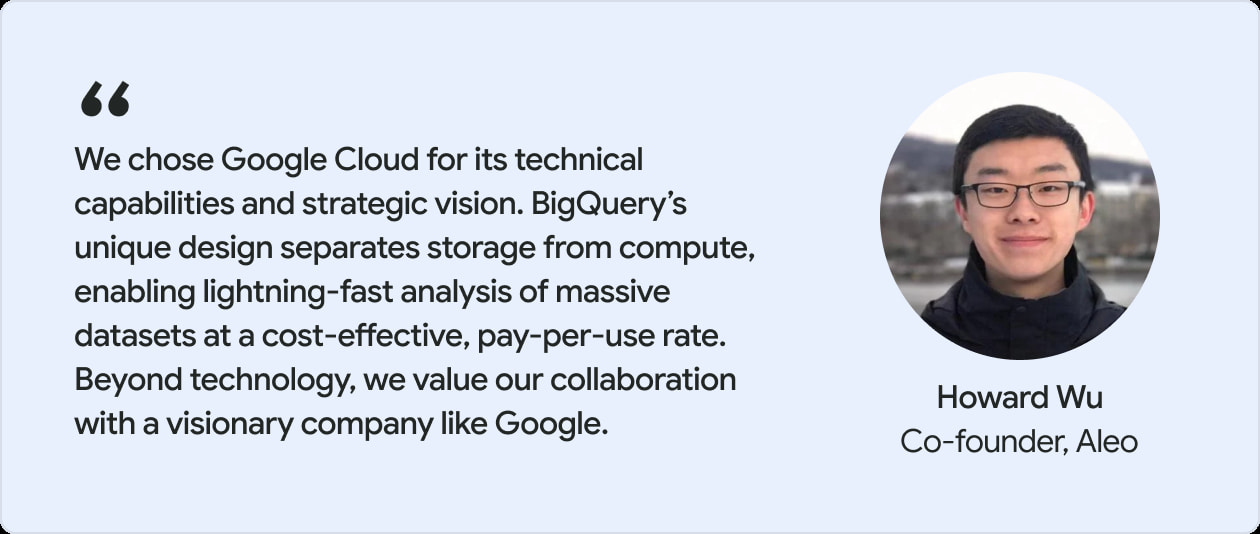
Blockchains are expected to never go down. We rely on Google Cloud for a stable and reliable infrastructure to support our developers’ mission-critical applications. We’ve also built a rigorous software release process using Google Cloud tools and services to deliver continuous uptime.
Howard Wu
Co-founder, Aleo
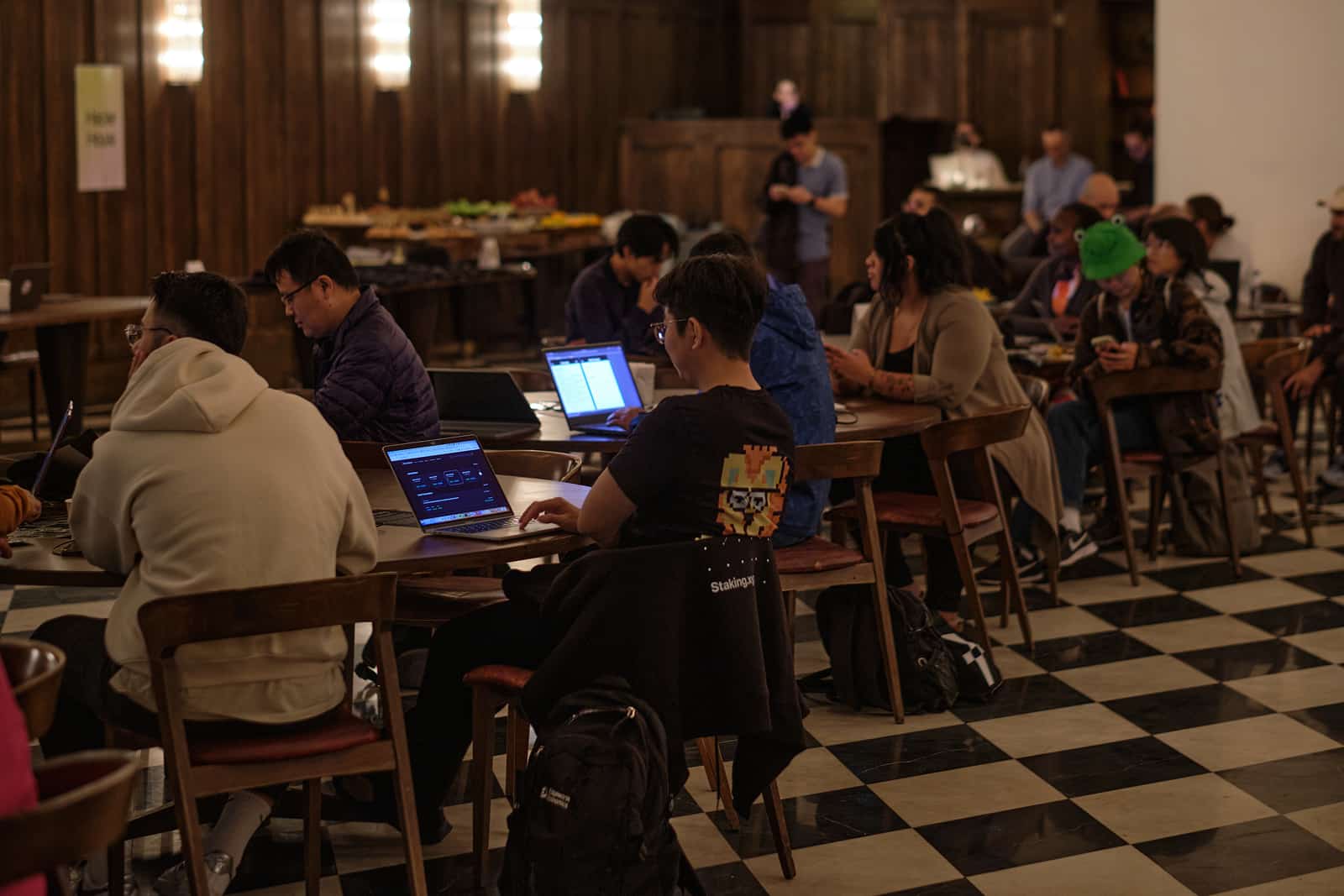
Unlocking Web3 data with centralized analytics
Beyond a reliable foundation, Aleo recognized that for its ecosystem to thrive, developers needed easy access to on-chain data. Previously, the only way to analyze Aleo’s massive datasets was by running a full node — a resource-intensive and complex task that created a major barrier to entry.
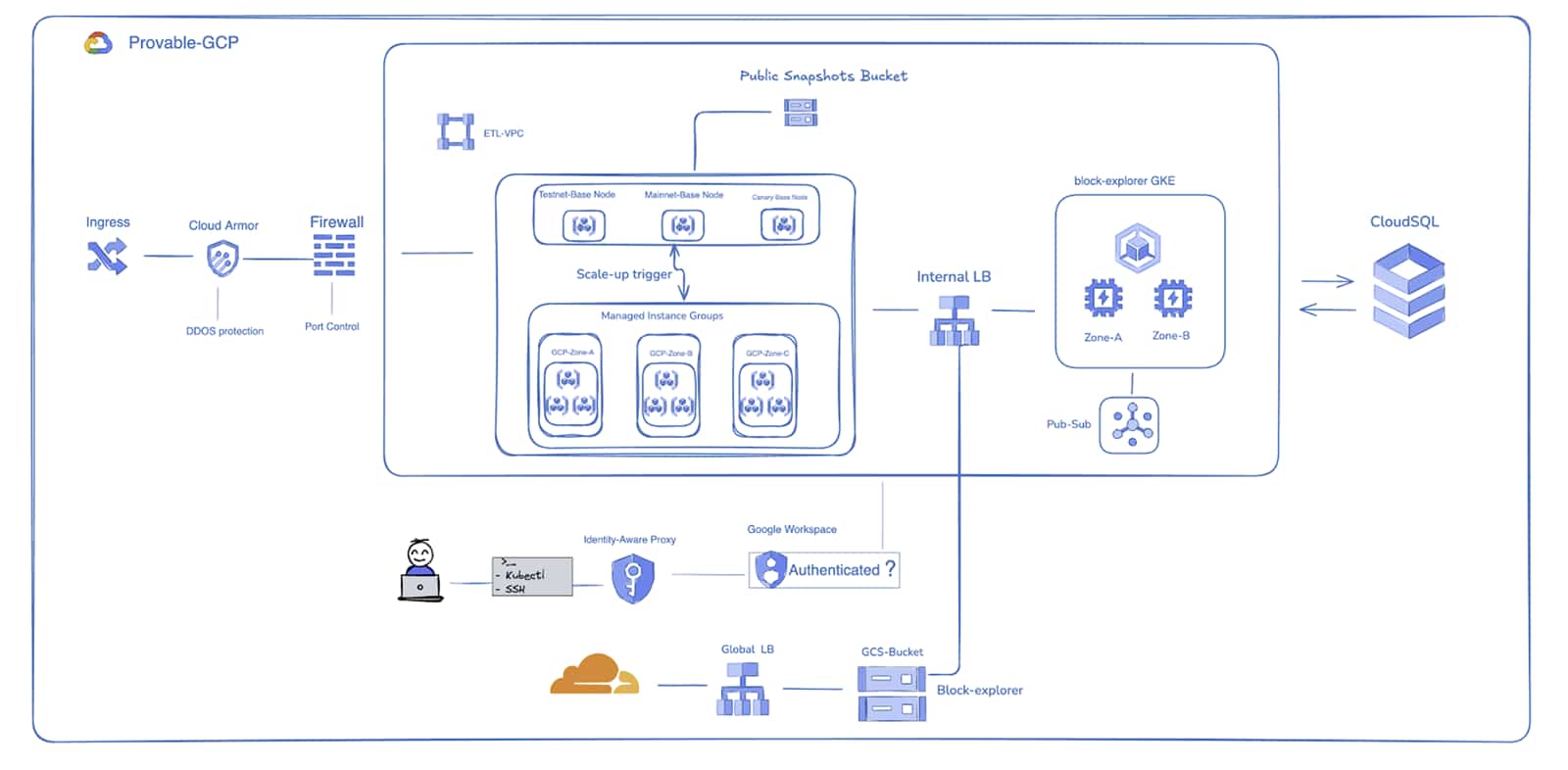
To address this, Aleo uses Compute Engine to simplify the process of running a node, a move that also yielded significant cost efficiencies for the company, with some VMs proving to be 20% more cost-effective than its previous solution. At the same time, Aleo uses BigQuery to consolidate the entire blockchain history into a single, reliable source of truth.
This shift democratizes data analysis by making it easily accessible and queryable with standard SQL on Aleo’s blockchain explorer. Developers can now gain insights into user behavior and transaction patterns, which is crucial for building robust and successful dApps.
It’s not just public-facing tools – Aleo’s internal teams also rely on BigQuery behind the scenes. Instead of running manual queries, they use the BigQuery API to automate workflows.
For example, they can track specific transaction types, such as asset movements between public and private pools, and set up real-time alerts for key events. This gives them faster, deeper insights into network activity and helps them spot patterns to support conversations with partners and integration teams.
Aleo’s product managers and data scientists also use BigQuery to track key metrics and build insightful dashboards using Looker Studio. One crucial metric they monitor is the most frequently used operational codes (op codes), which directly informs strategic decisions for optimizing the network and attracting more developers. For example, if a specific op code is particularly memory-intensive, they can shift to a memory-optimized VM on Compute Engine to process those transactions more efficiently, demonstrating a sophisticated, data-driven approach to infrastructure optimization.
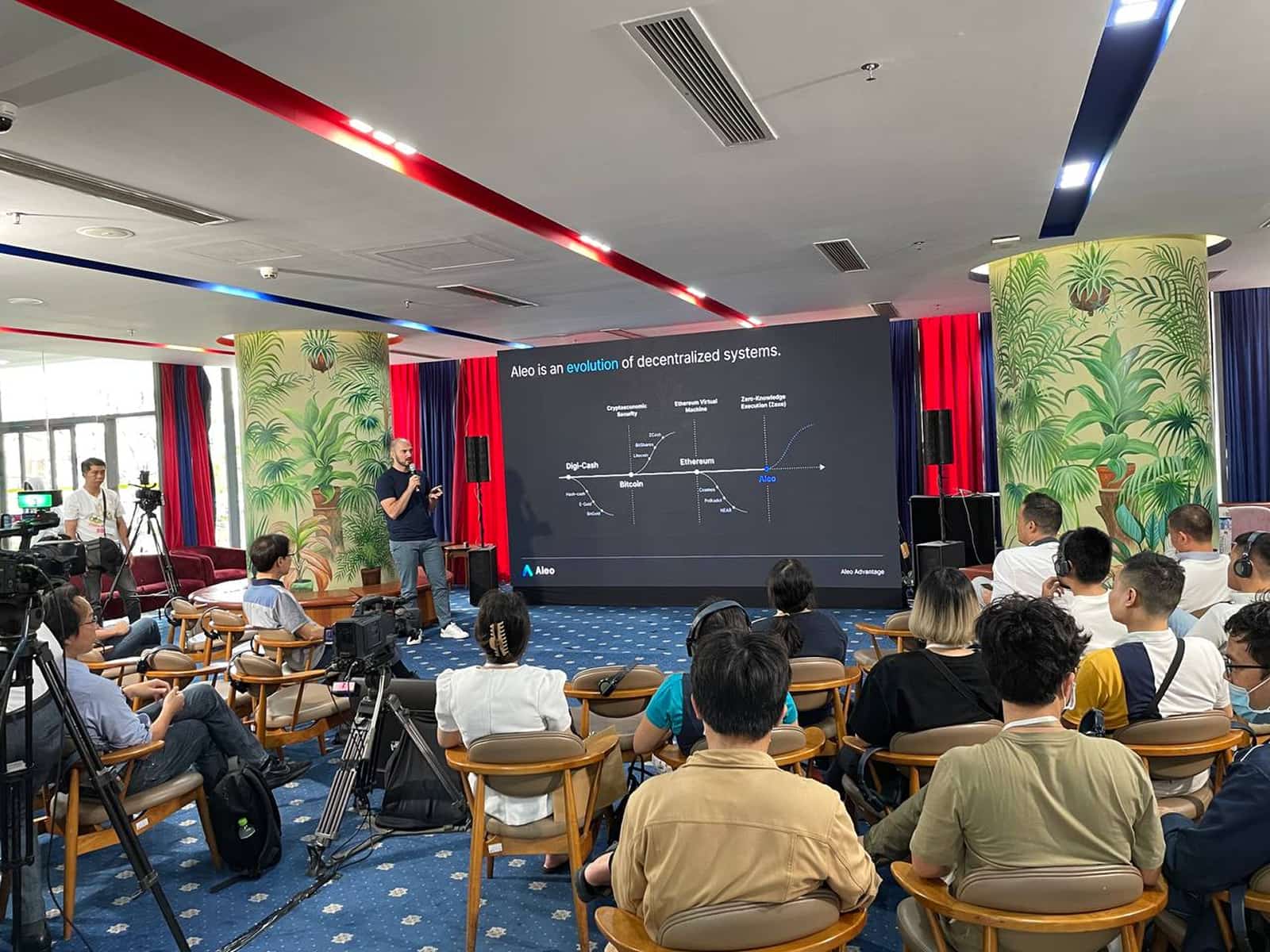
Streamlining software releases and accelerating dApps innovation
Previously, Aleo’s infrastructure team faced a significant pain point with their monitoring dashboards. According to Wu, who is not a dedicated “infra guy,” it took a complex and manual process to access fundamental metrics such as CPU load, memory usage, and network bandwidth from their previous solution.
Compute Engine solved this challenge with its “baked-in” observability suite. Integrated dashboards and monitoring tools provide a seamless, out-of-the-box view of key performance data, making it far more intuitive and efficient for Wu’s team to manage infrastructure and focus on core development.
Aleo’s move to a monthly release cycle meant it needed a faster, more reliable way to deliver software. With a CI/CD framework on Google Cloud, the company automated what used to be a manual, time-consuming process. This includes coordinating releases across more than 40 validators – including Google Cloud – spanning Canary, Testnet, and Mainnet environments. What used to require verbal check-ins is now handled by a streamlined, automated system.
Our collaboration with Google Cloud has not only provided the reliable infrastructure critical for blockchain operations but has also unlocked new opportunities for privacy-preserving solutions, paving the way for a more secure and user-centric digital future.
Howard Wu
Co-founder, Aleo
This move enhanced operational efficiency and accelerated time to market, allowing Aleo to consistently deliver new releases and advance its privacy-focused blockchain.
Aleo views its collaboration with Google Cloud as a “valuable strategic asset”, providing key opportunities for networking, co-hosting events, and exploring new business ventures within the Web3 ecosystem.
Looking ahead, Aleo plans to deepen this collaboration, with a key future focus being a confidential payments pilot with Google Pay. As Aleo continues to advance its secure, privacy-focused blockchain, it places importance on Google Cloud as a foundational pillar of its operations.
Aleo is a next-generation Layer-1 blockchain built for confidential and compliant payments. Aleo enables use cases such as global payroll, global treasury management, and any other payments and asset movement without exposing sensitive data on public block explorers.
Industry: Financial Services
Location: United States
Products: BigQuery, Cloud IAM, Cloud Load Balancing, Cloud Storage, Compute Engine, Google Axion Processor, Google Cloud Marketplace, Google Pay, Looker Studio
About Google Cloud partner — BCW Group
BCW Group, a Google Cloud partner, builds elite Web3 and AI solutions. It provides expert cloud delivery, IaaS, blockchain analytics, AI and managed services to a global clientele.