Racers, start your agents: Formula E brings realtime AI to the edge
John Abel
Managing Director, Specialized Software, Office of the CTO, Google Cloud
Alastair Breeze
Staff Software Engineer, Office of the CTO, Google Cloud
Chasing records at the Goodwood Hillclimb, Formula E used Gemini Enterprise, Gemma, and a Pixel phone bolted to the dash to push the envelope of AI and edge computing.
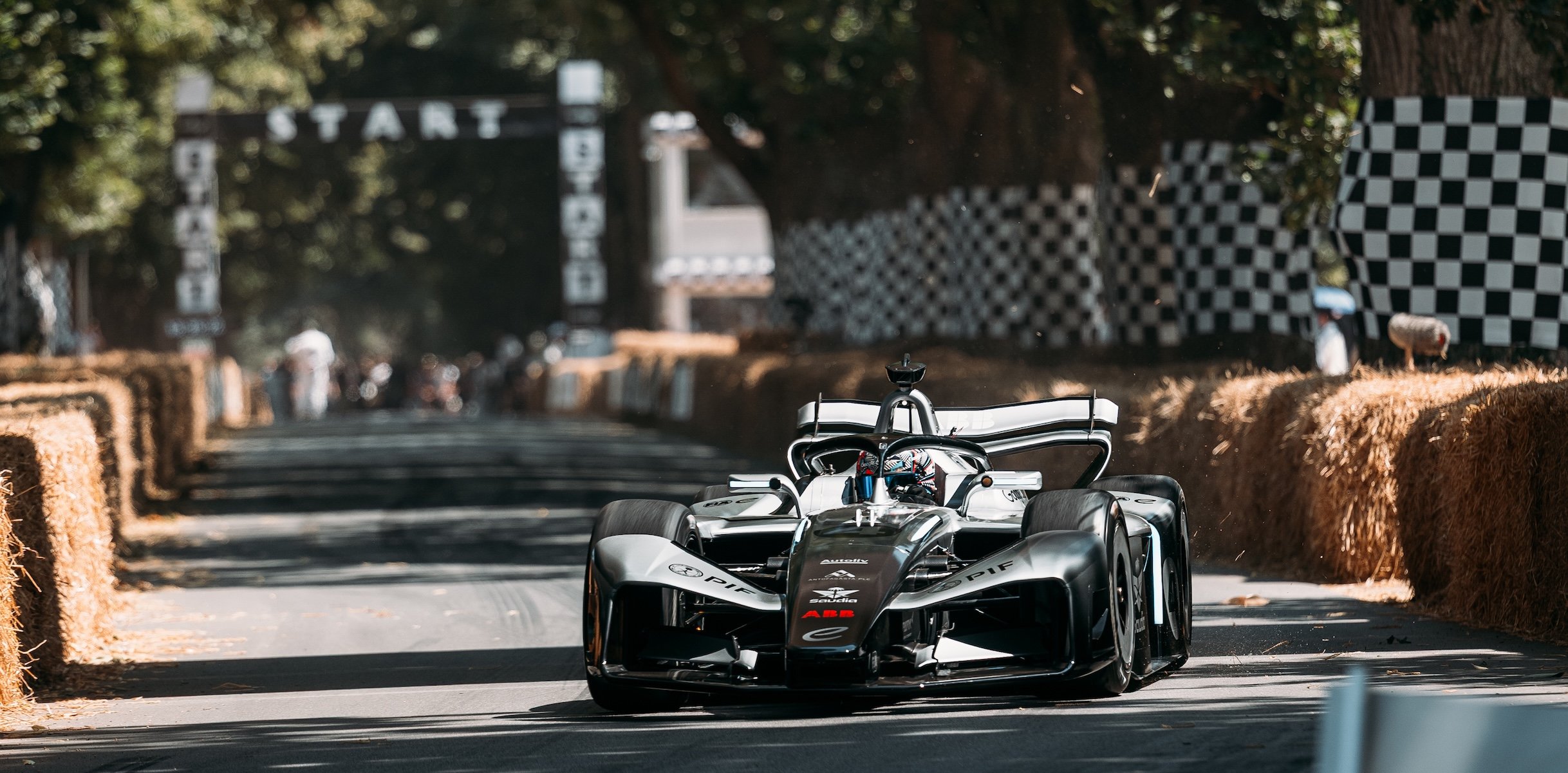
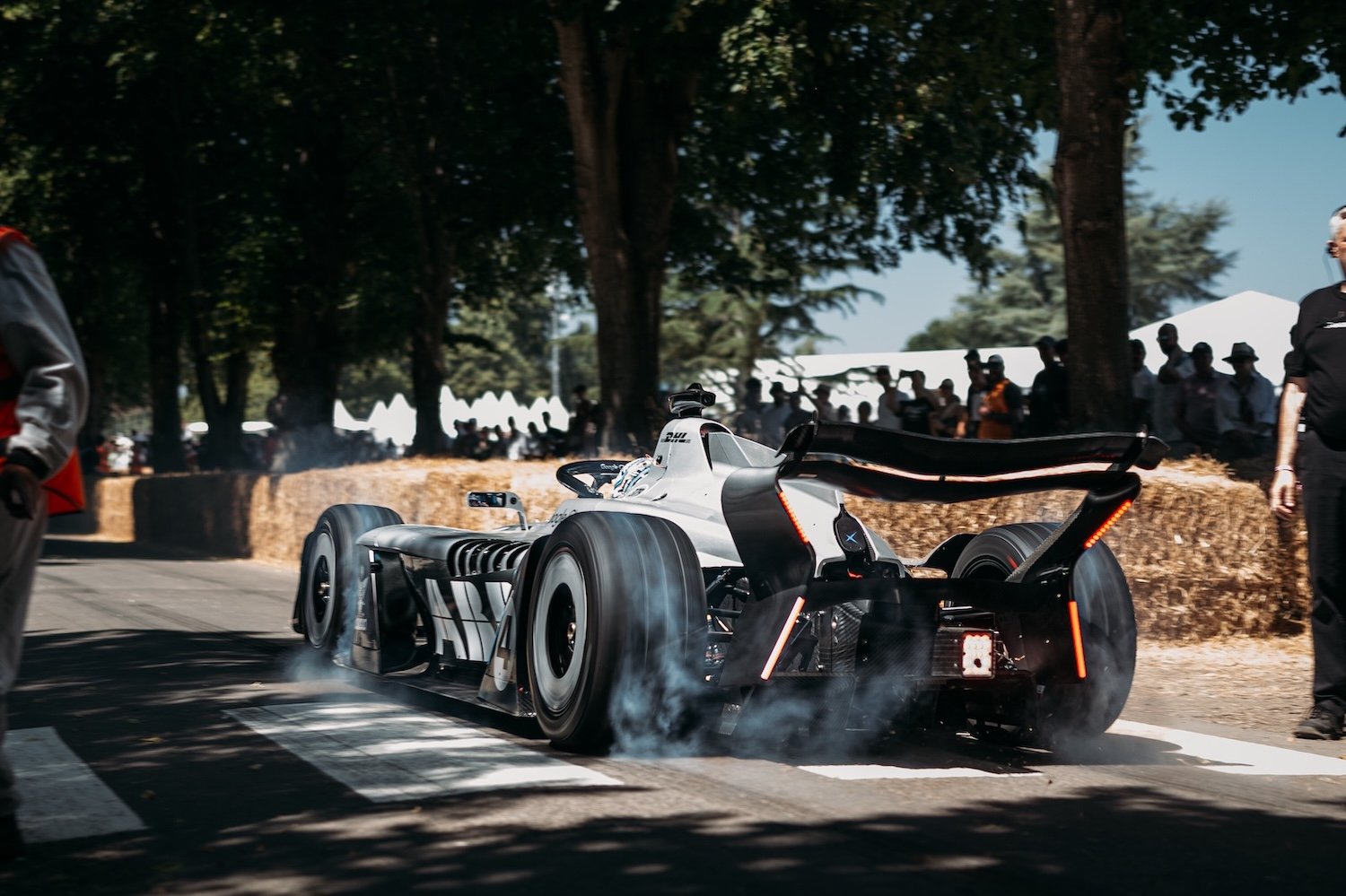
Imagine being Dan Ticktum, sitting on the start line of the Hillclimb at the Goodwood Festival of Speed. You’re strapped into the new Formula E Gen4 car. Inside the cockpit, it’s a blistering 120 degrees (49 Celsius), and the kinetic vibrations are violent. In just three seconds, you’ll be tearing up the track at more than 100 miles per hour.
At these speeds, your vision and motor control aren’t the only things that become blurry or shaky. It becomes nearly impossible to connect to cloud-based digital assistance and AI because of network latency. Vital information that could help you win is quite literally lagging behind your vehicle.
Even with actionable suggestions coming from the cloud round-trip within seconds, a driver like Ticktum is already around the next corner before anything useful arrives. The coaches on his radio also have to weigh in on his crucial next moves without being able to access truly real-time telemetry data from the car.
Longtime racing fans who remember the days when the biggest competitive edges came from better tires or seamless shift transmissions might laugh off concerns about data lag as trivial. But in sport after sport these days, victory can often be attributed to the most marginal of gains delivered by technology. In truth, with every team and driver fighting for even the smallest advantages, and places on the podium often being determined by tenths or hundredths of seconds, every data point matters.
It’s key for racing teams to find ways they can add AI to the hyper-advanced technologies that make up their cars. The sport is at the cutting edge always, so it can’t ignore tech that’s become everyday for most of us.
It turns out that just as lightweight materials are key to building record-setting race cars, lightweight AI models like Google’s Gemma can also bring more onboard intelligence to Formula E as well as beyond the track. We’re already seeing lightweight AI transforming vehicles of all kinds.
This July, Ticktum came within 0.86 seconds of beating the single-seater record up the Goodwood Hillclimb, a run notorious for being incredibly narrow, lined with unyielding flint walls and hay bales, and offering virtually no margin for error. The benchmark, set in a Formula E car, has stood at 41.6 seconds for a quarter of a century.
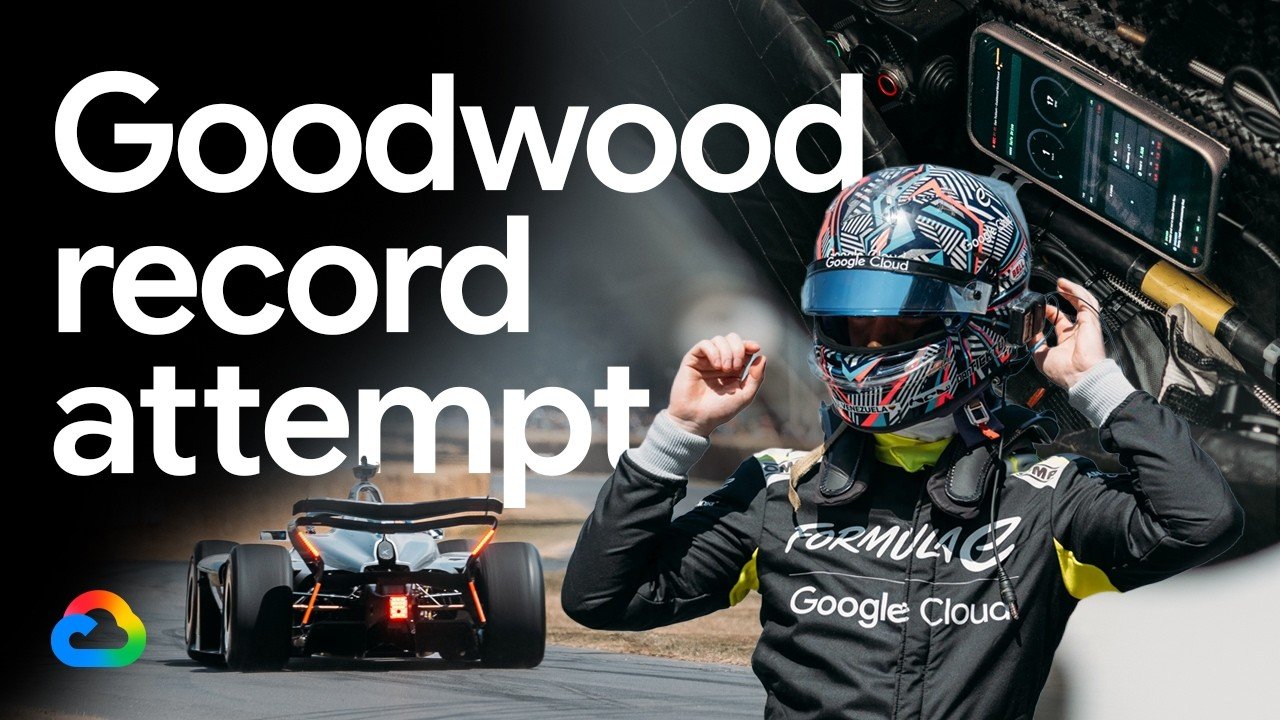
With the support of an on-device AI “digital wingman” built on Gemma and Gemini Nano running on a Pixel phone, Ticktum’s team could process live telemetry at the edge and deliver automated coaching directly to his helmet. This new tool helped streamline his performance and push the envelope of what’s possible in a racecar in 2026.
Making real-time coaching a reality
Because Formula E teams and their partners at Google Cloud are keenly aware that the innovations they pursue together will someday benefit drivers everywhere, they’re not just driven by the prospect of setting records. After all, Formula E was developed in part to inspire people with the power and possibility of electric vehicles, and now it’s doing the same for the potential of automotive AI.
Ticktum’s team knew they would need a fresh approach if they wanted to bring real-time coaching to the cockpit. They determined that by using edge computing techniques with Google’s lightweight yet highly flexible Gemma models, they might be able to get just enough intelligence into the system to analyze race decisions without bogging down Gemma’s split-second processing.
Ticktum’s team looked beyond data and network demands. They knew traditional edge hardware placed inside a Formula E Gen4 cockpit would struggle to handle the cabin's extreme heat, vibration, and radio interference.
The solution? An everyday, lightweight device: a standard Google Pixel 10 Pro XL running Android bolted directly into the dashboard. It turns out smartphones are engineered to withstand more abuse than many industrial machines, given the constant and diverse usage they face.
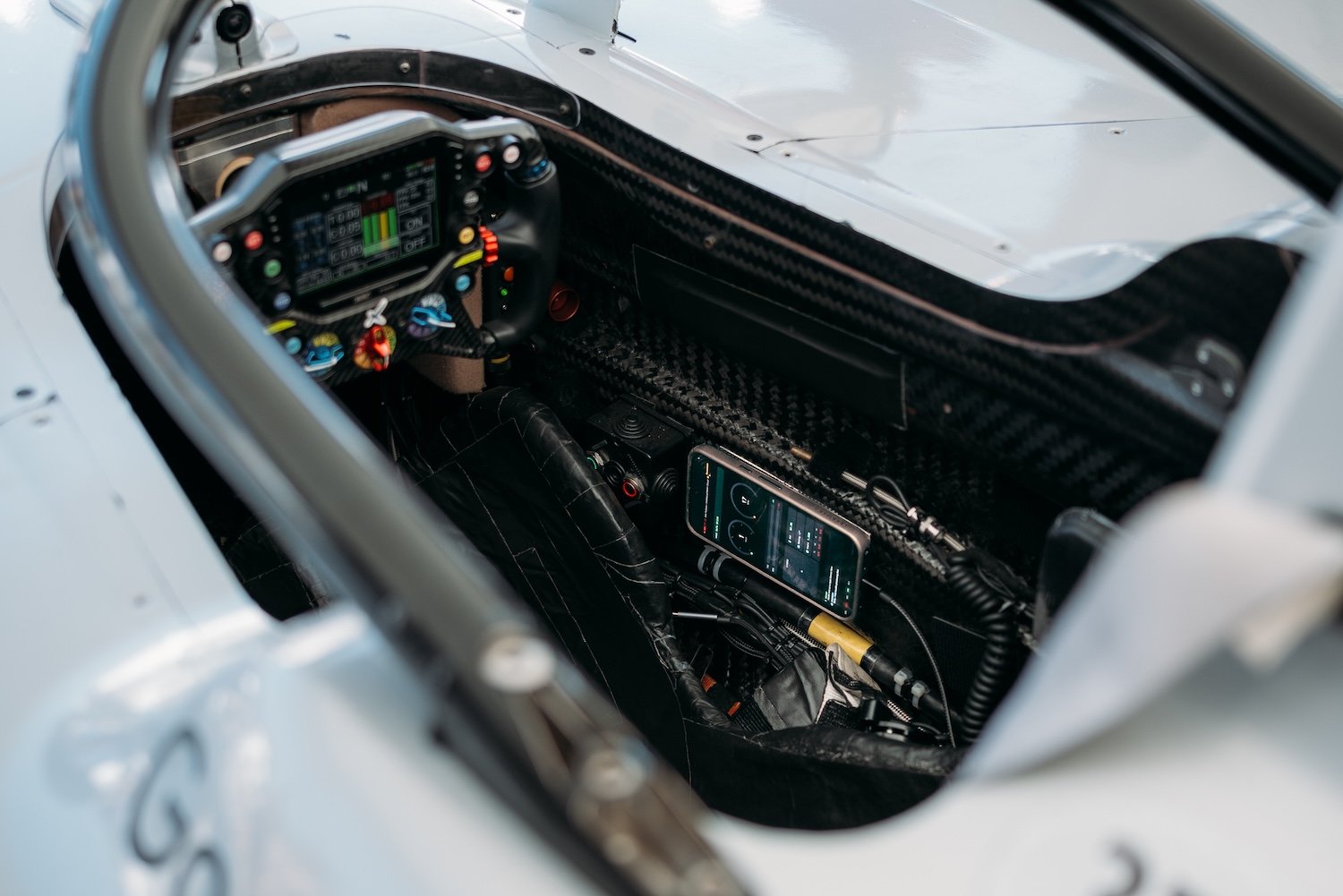
A Pixel 10 phone bolted into the cockpit of Dan Ticktum's Formula E Gen4 car delivered realtime coaching during his record-setting attempt at Goodwood this summer.
To make this Gemma + Pixel solution actually work, the team had to innovate across the entire stack to process microsecond-accurate telemetry in real-time, including:
- Ultra-low latency audio: By deploying optimized offline Automatic Speech Recognition (ASR) models, the system was able to detect Ticktum’s voice with super low latency. This battle-tested approach ensured high reliability, keeping his communications fast, smooth, and natural.
- Smarter edge processing: The team streamed high-frequency (100Hz) telemetry directly from the car into a lightweight, on-device SQLite database. Preprocessing this data locally with AI allowed the system to react instantly to real-time conditions, without waiting for the cloud.
- Gemma on the Pixel TPU: Leveraging the Google LiteRT-LM execution engine, the team optimized Gemma to run directly on the Pixel’s TPU, unlocking high-speed inference with incredibly low latency. This powerful processing happened natively on the device, delivering instant, seamless responses, again without waiting on the cloud.
AI at the edge goes well beyond the track
Across industries like logistics, transport, and healthcare, deploying real-time AI in the field has historically been a double-edged sword.
Weak connectivity can make data transfer to and from the cloud unreliable, but processing data locally on compact edge devices generates intense heat, which can lead to system failures. By integrating Gemma onto the Pixel, Ticktum’s team bridged that gap, enabling instantaneous, secure on-device decision-making while mitigating security, privacy, and connectivity risks that can be inherent to the cloud.
With this trial, Google Cloud overcame these hardware and connectivity limits by delivering:
- Hybrid AI architecture that intelligently split the workload. By running time-sensitive decisions directly on-device and routing heavier processing to the cloud, it kept simple operations instantaneous while preventing hardware from overheating.
- On-device AI Agent processing on a Google Pixel 10 Pro smartphone with on-board Tensor Processing Units. Running locally on-device, Google’s Gemma 4 handled time-critical analysis at the edge, negating the need for a persistent internet connection for critical decisions.
- A deeper intelligence layer in Gemini Enterprise Agent Platform that supports more complex, non-latency-critical tasks and creates a two-way Agent2Agent operating model between edge and cloud agent environments.
This approach was important from a security perspective, as reducing latency was critical at speeds of more than 100 miles per hour, where every millisecond counts. By extending a secure, sovereign cloud architecture directly into the vehicle, the AI could access a local database instantly.
This setup enabled immediate, real-time driver coaching while ensuring that high-frequency telemetry stayed entirely private and protected at the edge. And because all 100Hz telemetry from the racecar was ingested, written, and structured locally, sensitive data never left the vehicle.
By integrating Gemma onto the Pixel, Ticktum’s team enabled instantaneous, secure on-device decision-making while mitigating security, privacy, and connectivity risks.
Winning with the Agent-2-Agent handoff
During the race, the cockpit was completely air-gapped, which ensured total data sovereignty and security. But post-race, the edge no longer had to compete with the cloud and instead acted as a secure extension of it. At this point, post-race, the local Gemma instance used the Agent-to-Agent (A2A) protocol to communicate with an AI Agent in the cloud. It executed an automated A2A handoff from Gemma to Gemini, instantly initiating downstream post-race media and engineering analytics.
It’s like the ultimate pitstop, allowing all the data to inform post-race media as well as preparation and fine tuning for the next race. Everything, then, was passed back to the on-board Gemma-based system, and the ballet of technology at the edge continued, back and forth, in a virtuous dance.
From the Goodwood Hillclimb to the most demanding enterprise environments, Gemma's performance in the new Formula E Gen4 was yet another demonstration of what’s possible when you deploy a hybrid-AI approach at the absolute edge.